
Who owns Anheuser-Busch is a question that still catches a lot of Americans off guard. For most of its 170-year history, Anheuser-Busch was as American as it gets — headquartered in St. Louis, run by the Busch family, maker of Budweiser, the self-proclaimed “King of Beers.” Then in 2008, a Belgian-Brazilian company showed up with $52 billion and changed everything. I remember reading about the deal at the time and thinking it was one of those moments that quietly reshapes an entire industry.
The full story of who owns Anheuser-Busch today involves a Brazilian billionaire trio, one of the biggest corporate acquisitions in history, and a Bud Light controversy that shook the entire company. Let’s break it all down.
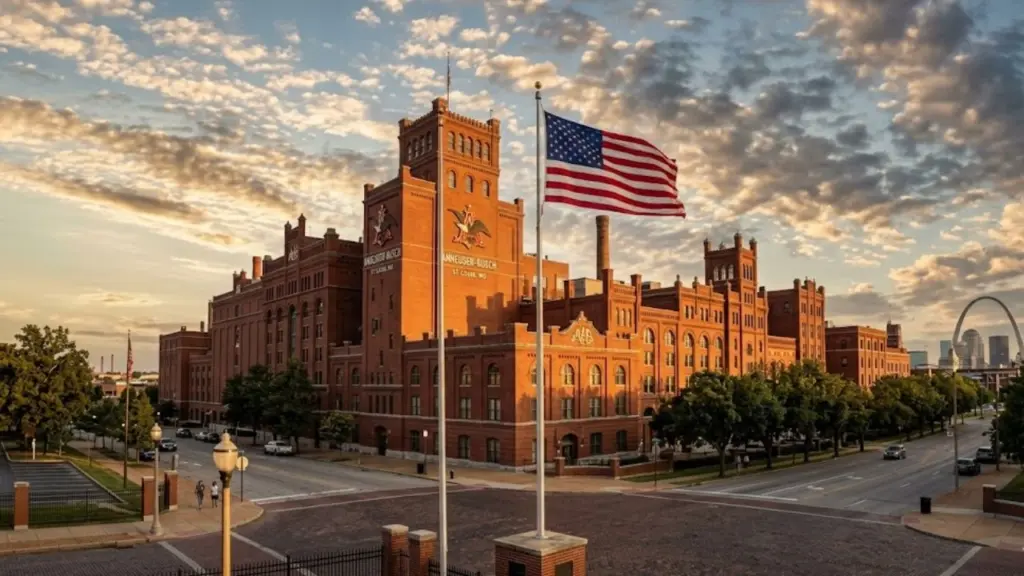
Who Owns Anheuser-Busch in 2026?
Anheuser-Busch is owned by AB InBev (Anheuser-Busch InBev SA/NV) — the world’s largest beer company by volume, headquartered in Leuven, Belgium. Anheuser-Busch is not an independent company; it is the US subsidiary and one of the most important brands in AB InBev’s global portfolio.
| Ownership Detail | Information |
|---|---|
| Parent Company | AB InBev (Anheuser-Busch InBev SA/NV) |
| AB InBev HQ | Leuven, Belgium |
| Anheuser-Busch US HQ | St. Louis, Missouri, USA |
| AB InBev CEO | Michel Doukeris (since 2021) |
| AB InBev Stock | NYSE: BUD / Euronext Brussels: ABI |
| Acquisition Year | 2008 |
| Acquisition Price | $52 billion USD |
| Key Investor Group | 3G Capital (Jorge Paulo Lemann & partners) |
🍺 Anheuser-Busch / AB InBev — Company Highlights
| Original Founded | 1852 by Eberhard Anheuser in St. Louis, MO |
| AB InBev Formed | 2008 (InBev + Anheuser-Busch merger) |
| Global Revenue | ~$59.4 billion USD (2023) |
| Employees Worldwide | ~170,000 |
| Countries of Operation | 50+ |
| Top Brands | Budweiser, Bud Light, Stella Artois, Corona, Beck’s, Michelob Ultra |
| Market Position | World’s largest beer company by volume |
The Founding Story: From Eberhard Anheuser to the Busch Dynasty
The brewery that would eventually become Anheuser-Busch was founded in 1852 in St. Louis, Missouri by Eberhard Anheuser, a German immigrant who had made his money in the soap business. He initially purchased a struggling brewery called Bavarian Brewery to recover a debt — not because he was passionate about beer.
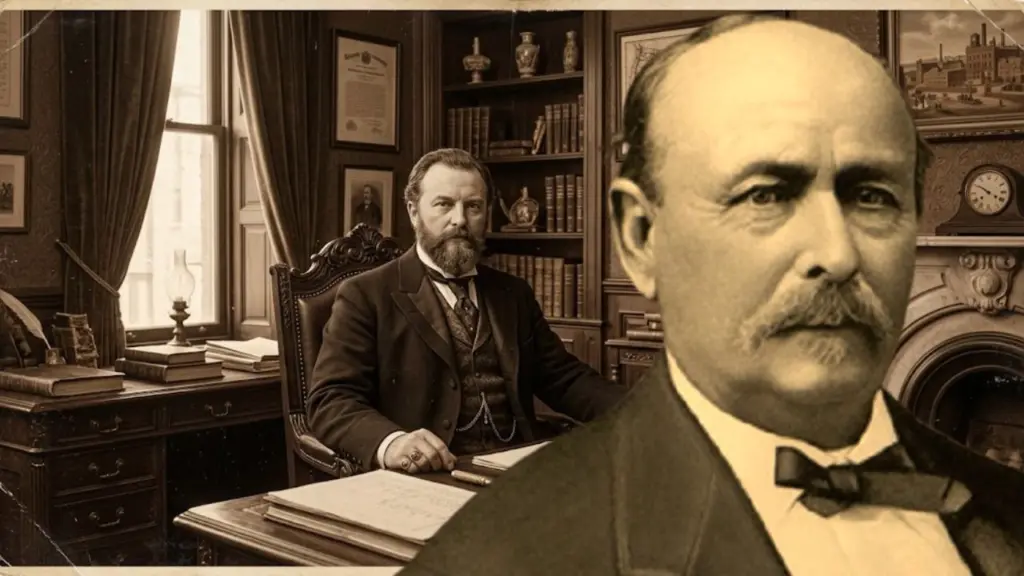
The man who turned it into an empire was his son-in-law: Adolphus Busch, who married Anheuser’s daughter Lilly in 1861 and joined the business in 1864. Busch was a marketing and logistics genius for his era. He was among the first brewers to use refrigerated railcars to ship beer nationally, and he introduced pasteurization techniques that dramatically extended shelf life. Budweiser, launched in 1876, became America’s first national beer brand under his stewardship.
Anheuser-Busch Ownership Timeline
| Year | Milestone |
|---|---|
| 1852 | Eberhard Anheuser purchases Bavarian Brewery in St. Louis, Missouri |
| 1864 | Adolphus Busch joins the company; marries Anheuser’s daughter |
| 1876 | Budweiser brand launched — becomes first nationally distributed American beer |
| 1879 | Company officially renamed Anheuser-Busch Brewing Association |
| 1913 | Adolphus Busch dies; company passes to August Anheuser Busch Sr. |
| 1957 | Anheuser-Busch becomes the largest US brewer by volume |
| 1982 | August Anheuser Busch III becomes CEO; aggressive expansion era begins |
| 2002 | Anheuser-Busch listed on S&P 500; dominant US market share |
| July 2008 | InBev announces $52B acquisition offer for Anheuser-Busch |
| November 2008 | Acquisition completed — AB InBev formed; Busch family loses control |
| 2021 | Michel Doukeris becomes AB InBev CEO |
| 2023 | Bud Light partnership with Dylan Mulvaney triggers major sales decline |
The $52 Billion Deal: How InBev Bought Anheuser-Busch
In July 2008, Belgian-Brazilian brewing giant InBev launched a hostile takeover bid for Anheuser-Busch, offering $65 per share — a premium of about 35% over the stock price at the time. The Busch family and the board initially resisted. August Anheuser Busch IV, the CEO at the time, reportedly called the offer “wholly inadequate.”
InBev held firm and sweetened the deal slightly. By November 2008, the transaction was complete at a final price of approximately $52 billion — one of the largest acquisitions in corporate history at the time. Anheuser-Busch became a wholly owned subsidiary of the newly formed Anheuser-Busch InBev.
Behind InBev was the influence of 3G Capital — a Brazilian-founded private equity firm associated with billionaires Jorge Paulo Lemann, Marcel Telles, and Carlos Alberto Sicupira. The 3G approach to acquisitions was famous for zero-based budgeting, aggressive cost-cutting, and long-term brand building. It’s the same playbook used when 3G Capital partnered with Berkshire Hathaway to acquire Heinz and merge it with Kraft.
AB InBev’s Major Shareholders (2026)
| Shareholder | Approximate Stake | Notes |
|---|---|---|
| EverBev / Stichting Anheuser-Busch InBev | ~26% | Holding entity linked to founding shareholders including Interbrew family interests |
| 3G Capital-affiliated entities | ~10–12% | Brazilian investment group; key architects of InBev strategy |
| Public / Institutional Investors | ~60–65% | Traded on NYSE (BUD) and Euronext Brussels (ABI) |
| Busch Family | ~0% | Lost controlling interest in 2008 acquisition |
The Bud Light Controversy of 2023
No discussion of Anheuser-Busch’s recent ownership story is complete without addressing 2023. In April of that year, Bud Light — America’s best-selling beer for over two decades — launched a short-term promotional partnership with transgender influencer Dylan Mulvaney. The backlash was swift and, by any measure, commercially devastating.
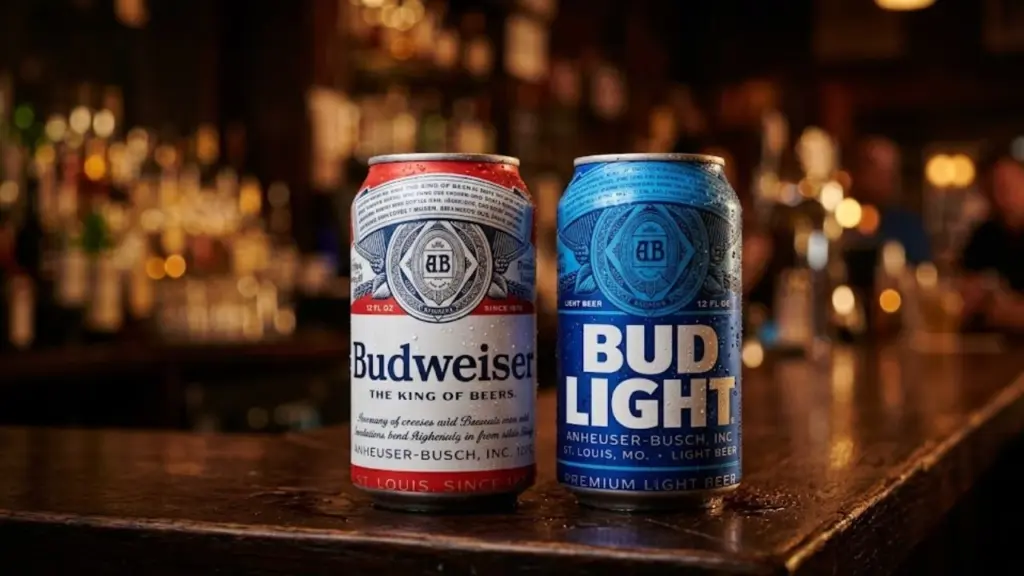
Within weeks, Bud Light lost its position as America’s top-selling beer to Modelo Especial — a title it had held for more than 20 years. Sales dropped by double-digit percentages and did not fully recover. The incident exposed a fundamental challenge for AB InBev: how to manage a mass-market American brand in an increasingly polarized cultural environment. By 2024, Bud Light had still not returned to its pre-controversy sales volumes.
Related Ownership Profiles
For a heartwarming family-owned business story, see who owns Radio Flyer.
My Take on the AB InBev Ownership Story
What I find genuinely fascinating about this ownership story is how quietly it happened — and how long it took for most American consumers to notice. Budweiser still proudly waves the American flag in its ads. The packaging says “St. Louis” on it. The Super Bowl commercials still have Clydesdales. But the parent company is Belgian-Brazilian, the CEO isn’t American, and the cost-cutting mentality that came with the 3G Capital influence is very different from what the Busch family built.
I’m not saying that’s necessarily bad — AB InBev has been a competent steward of the brands they’ve acquired. But there’s something worth noticing when a company that built its identity on American heritage has been foreign-owned for nearly two decades, and the average consumer still doesn’t know it.
Frequently Asked Questions About Anheuser-Busch Ownership
Who owns Anheuser-Busch in 2026?
Anheuser-Busch is owned by AB InBev (Anheuser-Busch InBev SA/NV), the world’s largest beer company headquartered in Leuven, Belgium. AB InBev acquired Anheuser-Busch in November 2008 for approximately $52 billion.
Is Anheuser-Busch still an American company?
Anheuser-Busch is an American brand with US operations headquartered in St. Louis, Missouri, but it is owned by AB InBev, a Belgian-Brazilian multinational corporation. The Busch family sold control in 2008.
Who founded Anheuser-Busch?
The brewery was founded in 1852 by Eberhard Anheuser in St. Louis, Missouri. His son-in-law Adolphus Busch joined the company in 1864 and transformed it into a national brand, launching Budweiser in 1876.
When did InBev buy Anheuser-Busch?
InBev completed the acquisition of Anheuser-Busch in November 2008 for approximately $52 billion USD, creating Anheuser-Busch InBev (AB InBev), the world’s largest beer company.
Who is the CEO of AB InBev?
Michel Doukeris has been the CEO of AB InBev since July 2021. He previously served in various leadership roles across AB InBev’s global operations, including President of AB InBev China.
Does the Busch family still own Anheuser-Busch?
No. The Busch family lost controlling ownership of Anheuser-Busch when InBev completed its $52 billion acquisition in November 2008. The company is now part of AB InBev’s global portfolio.