
Spirit Airlines is not an airline most people have warm feelings about. The legroom complaints, the baggage fees, the no-frills experience — I’ve heard it all, and if I’m being honest, I’ve lived some of it too. But here’s the thing — love it or hate it, Spirit changed American aviation in ways that still matter today. And now, after everything that happened in 2024, the question of who actually owns Spirit Airlines has a very different answer than it did even two years ago.
If you’ve been following the airline’s turbulent ride through bankruptcy filings, failed merger attempts, and courtroom battles — this post will lay it all out clearly. And if you’re just now tuning in, buckle up.
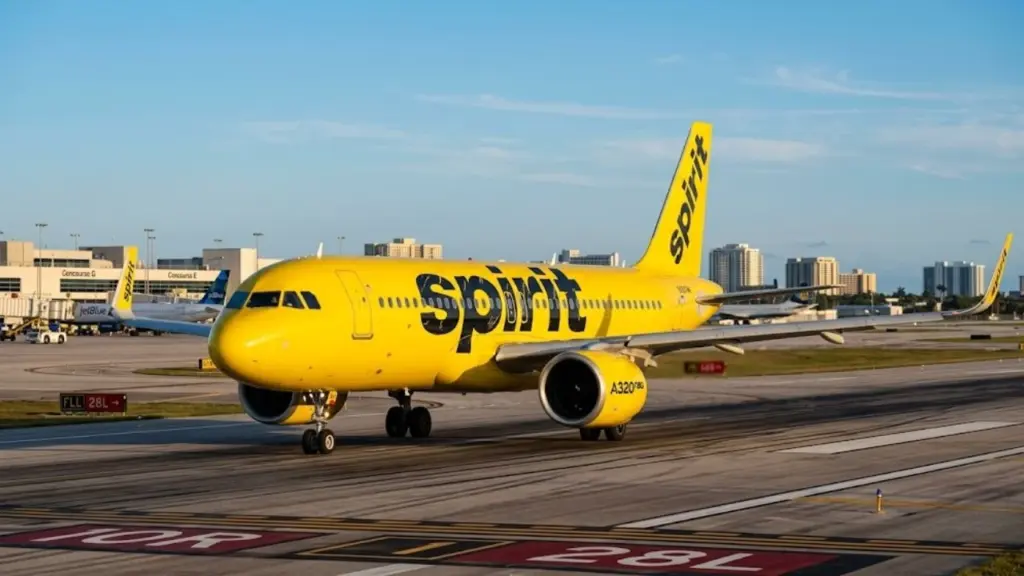
Who Owns Spirit Airlines Right Now? (2026)
Spirit Airlines is no longer a publicly traded company. After filing for Chapter 11 bankruptcy protection in November 2024, the airline went through a court-supervised restructuring process. When it emerged from bankruptcy in early 2025, ownership passed from public shareholders to the airline’s former creditors — primarily institutional bondholders and debt holders who exchanged their claims for equity in the reorganized company.
| Ownership Category | Details | Status |
|---|---|---|
| Former Bondholders / Debt Holders | Primary new owners via Chapter 11 restructuring | Current owners (2025–2026) |
| Institutional Creditors | Hedge funds and investment firms holding Spirit debt | Equity stake post-bankruptcy |
| Public Shareholders (SAVE) | Held NYSE-listed shares before bankruptcy | Shares wiped out — no longer hold equity |
| Ted Christie (former CEO) | Was CEO at time of bankruptcy filing | No longer leading the airline |
✈️ Spirit Airlines — Company Highlights
| Founded | 1983 (as Charter One Airlines) |
| Headquarters | Miramar, Florida, USA |
| IATA Code | NK |
| Business Model | Ultra-Low-Cost Carrier (ULCC) |
| Fleet | ~180–200 Airbus A320-family aircraft |
| Former Stock Ticker | NYSE: SAVE (delisted 2024) |
| Peak Revenue | ~$5.4 billion (FY2023) |
| Current Status | Private company (post-bankruptcy, 2025) |
The Full Story: How Spirit Airlines Got Here
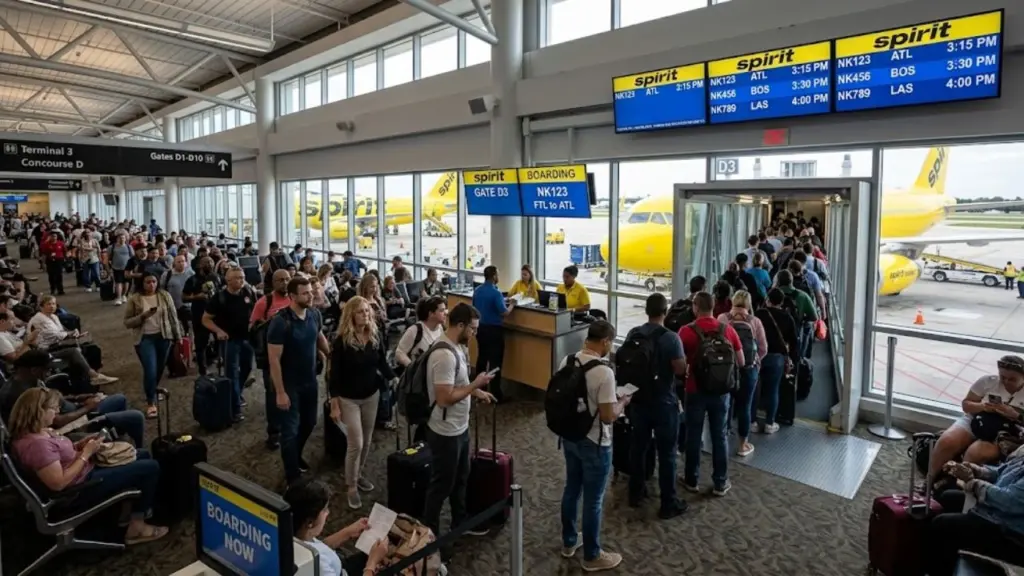
Spirit Airlines didn’t fall apart overnight. The collapse was the result of years of financial strain, a global pandemic that hammered aviation, a failed acquisition that dragged on for two years, and ultimately a business model that, while revolutionary, left the company with very thin margins and very little cushion when things went wrong.
The JetBlue Saga That Sealed Spirit’s Fate
In 2022, JetBlue Airways proposed a $3.8 billion acquisition of Spirit Airlines. Spirit had already been in talks with Frontier Airlines for a merger, but when JetBlue came in with a higher bid, Spirit’s board chose the money. The problem? The US Department of Justice wasn’t having it.
In January 2024, a federal judge sided with the DOJ and blocked the JetBlue-Spirit merger, ruling that it would reduce competition and hurt low-income travelers who depended on Spirit’s ultra-cheap fares. The decision wasn’t just a setback — it was the beginning of the end. Spirit had spent nearly two years in acquisition limbo, burning cash, and now it had nothing to show for it.
Spirit Airlines Ownership Timeline
| Year | Event |
|---|---|
| 1983 | Founded as Charter One Airlines in Miramar, Florida |
| 1992 | Rebranded as Spirit Airlines |
| 2013 | Initial Public Offering (IPO) on NASDAQ — later moved to NYSE as SAVE |
| 2020 | COVID-19 pandemic devastates revenue; Spirit takes on significant debt |
| February 2022 | Frontier Airlines announces $2.9B merger deal with Spirit |
| April 2022 | JetBlue counters with $3.8B acquisition offer |
| July 2022 | Spirit board accepts JetBlue’s higher bid; Frontier deal abandoned |
| January 2024 | Federal court blocks JetBlue-Spirit merger; DOJ wins antitrust case |
| November 2024 | Spirit Airlines files Chapter 11 bankruptcy protection |
| Early 2025 | Emerges from bankruptcy as private company; creditors become owners |
Who Founded Spirit Airlines?
Spirit Airlines was founded in 1983 by Ned Homfeld in Miramar, Florida, originally operating as Charter One Airlines. It was a very different kind of airline back then — primarily operating charter flights for vacation passengers rather than scheduled service. The company rebranded as Spirit Airlines in 1992 and gradually transitioned to scheduled low-cost operations. The ultra-low-cost model, built around stripped-down base fares with fees for almost everything else, really took shape in the mid-2000s under later leadership.
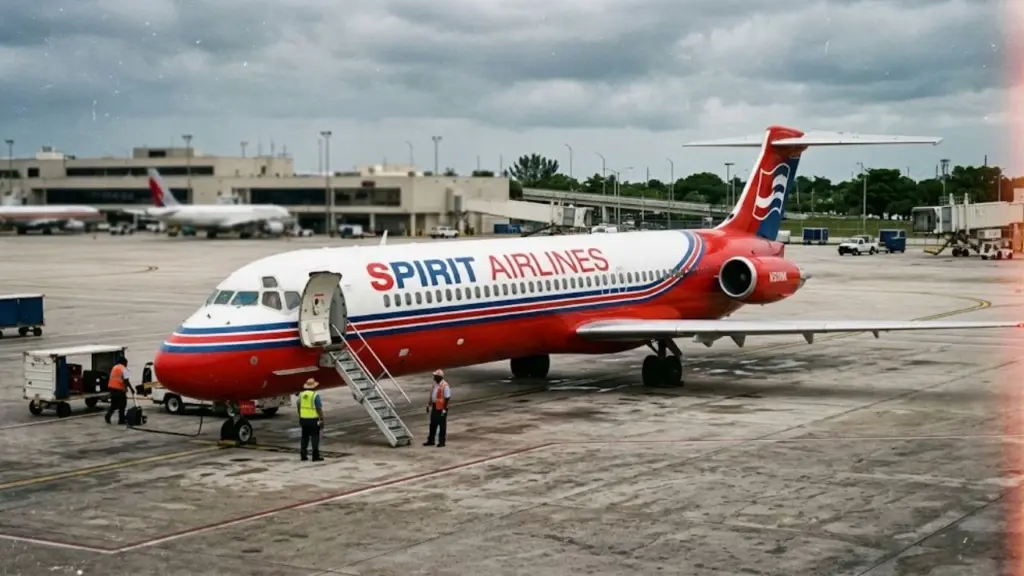
The ULCC Business Model — Why It Worked and Then Didn’t
Spirit’s “bare fare” model was genuinely innovative. By unbundling everything — carry-on bags, seat selection, even printing your boarding pass — Spirit could advertise ticket prices that were often half or less of what competitors charged. It attracted millions of price-sensitive travelers who were willing to trade comfort and frills for cheap airfare.
At its peak, this worked extremely well. Spirit was one of the most profitable airlines in America on a per-seat basis. But the model had a fatal vulnerability: it depended on volume and efficiency. When COVID-19 hit in 2020 and passenger traffic collapsed, Spirit’s lean structure had no fat to trim. The company took on debt to survive — and that debt load became the anchor that eventually dragged it under.
| Metric | Details |
|---|---|
| Business Strategy | Ultra-Low-Cost Carrier (ULCC) — “bare fare” unbundled pricing |
| Revenue Streams | Base fares + ancillary fees (bags, seat selection, printing fees) |
| Primary Markets | US domestic routes, Caribbean, Latin America |
| Key Competitors | Frontier Airlines, Allegiant Air, Sun Country Airlines |
| Peak Passengers | ~47 million passengers per year (pre-pandemic peak) |
| Average Base Fare | Among the lowest in US aviation |
My Take on the Spirit Airlines Story
Honestly, I find the Spirit Airlines story kind of tragic in a very American way. Here’s an airline that genuinely democratized air travel — that made flying accessible to people who couldn’t afford $400 round trips — and it got punished for succeeding. The JetBlue deal would have given it stability; the DOJ blocked it in the name of protecting consumer choice, and then the consumer’s airline promptly went bankrupt.
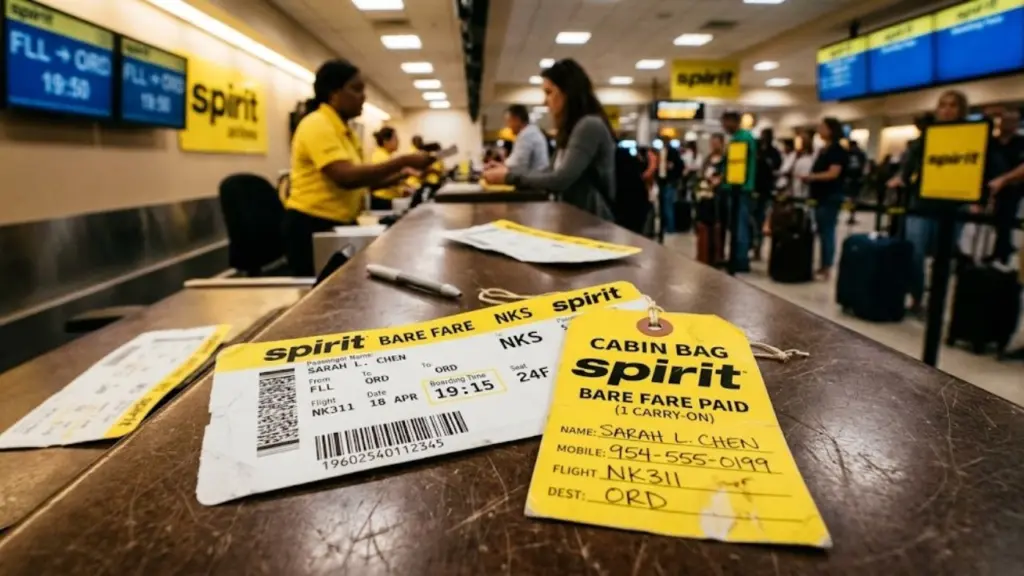
I’m not saying the DOJ was wrong on the antitrust argument. The JetBlue deal probably would have raised prices in certain markets. But the end result — a Spirit that’s now a struggling private company with an uncertain future — isn’t obviously better for the budget travelers the DOJ said it was trying to protect. Sometimes there are no clean answers in antitrust policy.
Frequently Asked Questions
Who owns Spirit Airlines in 2026?
Spirit Airlines is currently privately owned by its former creditors — institutional bondholders and debt holders who took equity ownership through the Chapter 11 bankruptcy restructuring process that completed in early 2025. It is no longer publicly traded.
Did JetBlue buy Spirit Airlines?
No. JetBlue agreed to acquire Spirit Airlines for $3.8 billion in 2022, but the US Department of Justice filed an antitrust lawsuit to block the deal. In January 2024, a federal judge ruled in the DOJ’s favor, permanently blocking the merger.
Is Spirit Airlines still flying in 2026?
Yes, Spirit Airlines continues to operate as an ultra-low-cost carrier after emerging from bankruptcy in 2025. The airline restructured its debts and routes as part of the bankruptcy process.
What happened to Spirit Airlines stock (SAVE)?
Spirit Airlines’ stock, traded as SAVE on the NYSE, was effectively wiped out when the company filed for Chapter 11 bankruptcy in November 2024. Existing shareholders received nothing in the reorganization — ownership passed to creditors. The stock was delisted from the NYSE.
Who was the CEO of Spirit Airlines?
Ted Christie served as President and CEO of Spirit Airlines at the time of the bankruptcy filing in November 2024. He had been CEO since 2019.
When was Spirit Airlines founded?
Spirit Airlines was founded in 1983 in Miramar, Florida, originally operating as Charter One Airlines. It rebranded as Spirit Airlines in 1992.