
Walk into any pharmacy in America, and you will find Tylenol on the shelf. It is the most recognized pain relief brand in the country — a household name that has been trusted by families for seven decades. But right now, in 2026, Tylenol is at the center of one of the biggest corporate deals in consumer health history. The brand has a new owner coming, a turbulent recent past, and an origin story that stretches back to a small Philadelphia pharmacy in 1879.
Here is the complete, verified ownership story of Tylenol — from its very beginning to right now.
Tylenol is a trademarked brand of acetaminophen (also called paracetamol), a pain reliever and fever reducer introduced in 1955 by McNeil Laboratories, Inc. It is used to ease minor pain from headaches, backaches, arthritis, toothaches, and muscle soreness, and to temporarily reduce fever.
Tylenol is not a drug in itself — it is a brand name for acetaminophen, the same active ingredient found in hundreds of generic products sold at a fraction of the price. What Tylenol sells, more than anything else, is trust — the confidence that comes from a name people have recognized since childhood. That brand equity is precisely what has made it worth billions of dollars across multiple corporate transactions.
Who Owns Tylenol Right Now in 2026?
The ownership of Tylenol in 2026 sits in a moment of transition. Here is the current picture:
Tylenol is currently owned by Kenvue Inc. — the consumer health company spun off from Johnson & Johnson in 2023. However, Kimberly-Clark announced in November 2025 that it is acquiring Kenvue in a deal worth approximately $48.7 billion, which is pending regulatory approval and expected to close in the second half of 2026.
In November 2025, Kimberly-Clark announced that it was buying Kenvue in a $40 billion deal, and would thus become the new owner of the Tylenol brand.
At the closing of the deal, expected in the second half of 2026, subject to regulatory approval, Kenvue shareholders are expected to own 46% and Kimberly-Clark 54% of the combined shares.
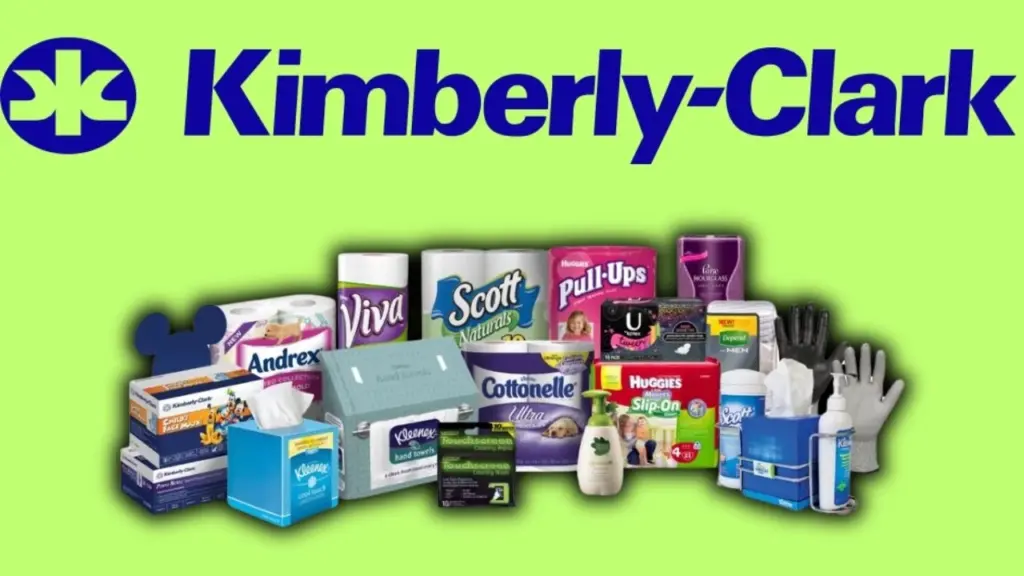
So the simplest answer right now: Tylenol is owned by Kenvue Inc., and Kenvue is in the process of being acquired by Kimberly-Clark — which will make Kimberly-Clark the ultimate owner of Tylenol once the deal closes later in 2026.
Ownership and Key Stakeholders Details
| Owner / Party | Role | Period | Key Detail |
|---|---|---|---|
| McNeil Laboratories | Original Creator | 1879–1959 | Founded by Robert McNeil in Philadelphia in 1879; introduced Tylenol in 1955 |
| Johnson & Johnson | Corporate Owner | 1959–2023 | Acquired McNeil in 1959; owned Tylenol for over 60 years |
| Kenvue Inc. (NYSE: KVUE) | Current Owner | 2023–present | J&J spin-off; completed IPO May 2023; owns Tylenol, Band-Aid, Listerine, Aveeno |
| Kimberly-Clark (NYSE: KMB) | Acquiring Owner | Deal announced November 2025 | $48.7 billion deal; expected to close second half of 2026; will own 54% of combined company |
| The Vanguard Group | Largest Institutional Shareholder of Kenvue | Significant stake | Major passive index fund investor in KVUE |
| BlackRock, Inc. | Institutional Shareholder of Kenvue | Significant stake | World’s largest asset manager; holds KVUE shares |
| Kirk Perry | Kenvue CEO (Interim) | 2025–present | Took over after Thibaut Mongon departed in July 2025 |
| Mike Hsu | Kimberly-Clark Chairman & CEO | Present | Leading the Kenvue acquisition from Kimberly-Clark side |
The Origin Story: A Philadelphia Pharmacy in 1879
The story of Tylenol is really the story of one family’s pharmacy that grew into a global pharmaceutical brand across more than a century.
McNeil Consumer Healthcare was founded on March 16, 1879, by 23-year-old Robert McNeil, who paid $167 for a drugstore complete with fixtures, inventory, and a soda fountain, as a retail pharmacy in the Kensington section of Philadelphia, Pennsylvania.
In 1904, one of McNeil’s sons, Robert Lincoln McNeil, became part of the company, and together they created McNeil Laboratories in 1933. The company would focus on direct marketing of prescription drugs.
In 1955, McNeil Laboratories introduced Tylenol Elixir for children, containing only acetaminophen. The brand was marketed as a product to reduce fever in children, packaged like a red fire truck with the slogan “for little hotheads.”
The name Tylenol itself was carefully chosen. The brand name Tylenol is a portmanteau derived from its active ingredient’s chemical name — N-aceTYL-para-aminophENOL. McNeil Laboratories created the memorable name in 1955 to market acetaminophen as a safer, non-aspirin alternative.
Johnson & Johnson Takes Over: 1959 to 2023
The most important moment in Tylenol’s early corporate history happened in 1959 — when the McNeil family business was acquired by one of the most powerful companies in American healthcare.

Johnson & Johnson bought McNeil in 1959, and the following year the drug was made available over the counter. Over time Tylenol became a leader in the analgesic market.
Under Johnson & Johnson’s ownership, Tylenol grew from a children’s prescription medicine into the most dominant over-the-counter pain reliever in the United States. By the late 1970s, it had captured roughly 37% of the U.S. analgesic market — a remarkable position for any single brand.
Then came 1982 — the event that would define Tylenol as much as any marketing campaign ever could.
Seven people in the Chicago area died after taking Tylenol capsules that had been criminally laced with cyanide. Johnson & Johnson responded by immediately recalling 31 million bottles and reintroducing the product in tamper-resistant packaging — the same triple-sealed safety containers that are now standard across the entire pharmaceutical industry. The crisis cost the company more than $100 million, but Tylenol regained 100% of the market share it had before the crisis.
That response to crisis — putting consumer safety ahead of profit — became one of the most studied examples of corporate responsibility in business school history.
The Kenvue Spin-Off: 2023
For more than 60 years, Tylenol was a Johnson & Johnson brand. That changed in 2023.
On November 12, 2021, Johnson & Johnson announced that it would spin off its consumer health division as a separate company in an effort to streamline operations. The new company would assume well-known consumer brands such as Aveeno, Band-Aid, Neutrogena, and Tylenol, while Johnson & Johnson would focus on the pharmaceutical and medical device sectors.
Kenvue, formerly Johnson & Johnson’s consumer healthcare division, split from J&J in 2021 and raised $3.8 billion in its May 2023 IPO.
Kenvue became a publicly traded company on the New York Stock Exchange under the ticker symbol KVUE — and with it, Tylenol got its third corporate parent in history. But Kenvue’s life as an independent company would prove short and turbulent.
The Kimberly-Clark Deal: A $48.7 Billion Acquisition
Kenvue struggled as an independent company from the moment it separated from J&J. Competing against giants like Procter & Gamble, Colgate, and Unilever without the backing of a massive pharmaceutical parent proved enormously difficult. Then came the political storm.
In October 2025, President Donald Trump made unfounded claims linking autism to Tylenol use during pregnancy, sending Kenvue’s stock sharply lower. The company has staunchly pushed back against his administration’s accusations, and medical experts affirm Tylenol is safe.
The move to acquire Kenvue came after a month-long crusade from the federal administration, who declared that taking Tylenol during pregnancy could lead to autism in children. The consumer drug brand vehemently opposed the narrative, maintaining that the drug is safe to use for pregnant women and that there is not enough scientific data linking its use to the development of autism.
With Kenvue’s stock weakened, Kimberly-Clark moved in. Huggies maker Kimberly-Clark announced it will buy Tylenol’s parent company Kenvue in a nearly $50 billion deal, creating a massive consumer products conglomerate. The combined business will bring together 10 billion-dollar brands and will drive annual revenue of $32 billion.
Kimberly-Clark shareholders voted resoundingly in support of the combination with Kenvue in January 2026. The acquisition is expected to close around the second half of 2026.
The combined company will keep Kimberly-Clark’s headquarters in Irving, Texas, and continue to have a significant presence in Kenvue’s locations.
What Other Brands Does Kenvue Own?
Tylenol is not the only powerhouse brand Kenvue brought to the table. The company’s portfolio reads like a tour of every bathroom cabinet in America: Band-Aid, Listerine, Aveeno, Neutrogena, Johnson’s Baby, Benadryl, Motrin, Nicorette, Visine, and Rogaine — among others. When Kimberly-Clark finishes acquiring Kenvue, it will own all of these alongside its existing brands like Huggies, Kleenex, Scott, and Cottonelle.
The combined entity will be one of the most powerful consumer goods companies in the world — touching nearly every aspect of everyday American life from the nursery to the medicine cabinet.
Frequently Asked Questions (FAQs)
Q1. Who owns Tylenol in 2026?
Tylenol is currently owned by Kenvue Inc. (NYSE: KVUE), which is being acquired by Kimberly-Clark in a $48.7 billion deal expected to close in the second half of 2026.
Q2. What company originally created Tylenol?
Tylenol was created by McNeil Laboratories, a family-owned pharmaceutical company founded in Philadelphia in 1879, which introduced Tylenol in 1955.
Q3. When did Johnson & Johnson own Tylenol?
Johnson & Johnson owned Tylenol from 1959 — when it acquired McNeil Laboratories — all the way until 2023, when it spun the brand off into Kenvue Inc.
Q4. What is Kenvue?
Kenvue is a publicly traded consumer health company (NYSE: KVUE) created by Johnson & Johnson as a spin-off in 2023, housing brands like Tylenol, Band-Aid, Listerine, and Neutrogena.
Q5. Why is Kimberly-Clark buying Tylenol’s parent company?
Kimberly-Clark is buying Kenvue to create a $32 billion revenue consumer health giant, combining brands like Huggies and Kleenex with Tylenol, Band-Aid, and Listerine.
Q6. What happened to Tylenol in 1982?
Seven people in Chicago died after Tylenol capsules were criminally laced with cyanide. Johnson & Johnson recalled 31 million bottles and pioneered tamper-resistant packaging — now an industry standard worldwide.
Q7. Is Tylenol the same as acetaminophen?
Yes. Tylenol is the brand name for acetaminophen — the same active ingredient found in hundreds of generic alternatives sold at lower prices.
Q8. When will Kimberly-Clark officially own Tylenol?
The acquisition of Kenvue by Kimberly-Clark was approved by shareholders in January 2026 and is expected to close in the second half of 2026, after which Kimberly-Clark will be the official owner of Tylenol.
Tylenol started in 1879 as a small Philadelphia pharmacy, was introduced as a product for children in 1955, acquired by Johnson & Johnson in 1959, survived the infamous 1982 tampering crisis to become the most trusted pain reliever in America, and was spun off into Kenvue Inc. in 2023. Now, in 2026, Kimberly-Clark is in the process of acquiring Kenvue — and therefore Tylenol — in a $48.7 billion deal expected to close later this year.
Through all the ownership changes, the corporate restructurings, and the political storms of 2025, one thing has not changed: Tylenol remains the most recognized name in pain relief in the United States — and the brand will carry on, now under the roof of one of America’s most iconic consumer products companies.