
Seabiscuit was a legendary American Thoroughbred racehorse who became a symbol of hope and resilience during the Great Depression. Originally, Seabiscuit was considered an underdog with a history of setbacks. His remarkable rise to fame in the late 1930s captured the hearts of millions of people, especially during the tough times of the Great Depression. Seabiscuit raced from 1935 to 1940 and won 33 of 89 races, including major events such as the Santa Anita Handicap and the famous match race against War Admiral.
Ownership Status of Seabiscuit
There was a singular, private owner of Seabiscuit: Charles S. Howard. He bought the horse in 1936 for $8,000, at a time when Seabiscuit was underperforming. Under Howard’s ownership, Seabiscuit went on to achieve incredible success, becoming one of the most famous racehorses of all time.
Major Shareholders
| Shareholder / Entity | Ownership Percentage | Notes |
|---|---|---|
| Charles S. Howard | 100% | Sole private owner. Purchased Seabiscuit in 1936. |
Note: Since Seabiscuit was a privately owned racehorse, there were no other shareholders involved in ownership.
Charles S. Howard: The Man Behind Seabiscuit’s Success
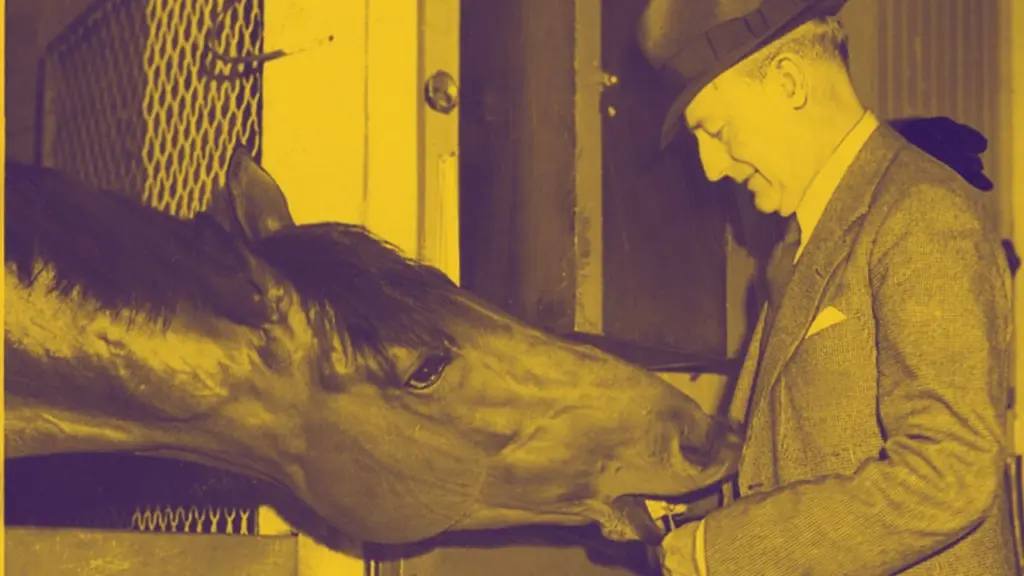
Charles S. Howard was the key figure in Seabiscuit’s ownership. Born in 1866, Howard was an entrepreneur who made his fortune through the automobile business, specifically by selling Studebaker cars. His wealth allowed him to pursue a variety of interests, and one of these was horse racing. Howard’s entry into the horse racing world would prove to be both fortuitous and life-changing, not only for him but for the world of horse racing itself.
Howard purchased Seabiscuit in 1936 for $8,000. At the time, Seabiscuit was seen as an underperforming horse, far from the champion he would eventually become. Seabiscuit’s pedigree was not considered special, and he had been passed through several owners before Howard took the chance on him. Howard, however, believed in the horse’s potential, and this marked the beginning of a remarkable partnership.
Seabiscuit’s Early Struggles
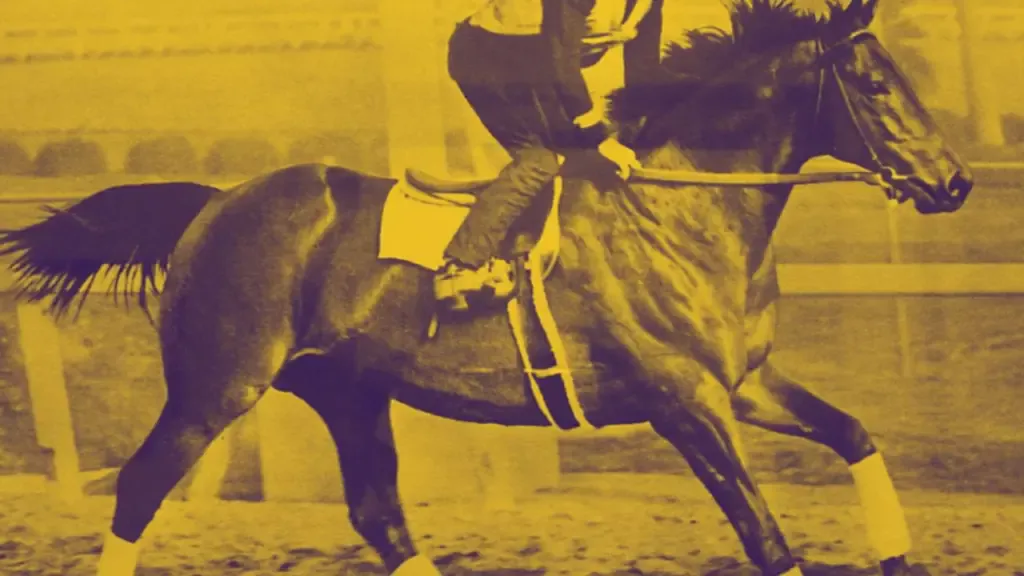
Before Seabiscuit became famous, his career was marked by a series of disappointing performances. The horse had been underperforming in the hands of previous trainers and owners. However, Howard, with the help of trainer Tom Smith, saw something special in Seabiscuit that others had missed. Smith, a quiet and somewhat reclusive figure, became Seabiscuit’s trainer and the man who would bring out the horse’s true potential.
Howard’s investment in Seabiscuit was not just financial; it was deeply personal. He connected with the horse’s underdog story and saw in Seabiscuit a mirror of his own struggles. Howard had experienced personal setbacks in his life, including the loss of a child and the failure of a previous business venture. This connection with Seabiscuit would prove to be pivotal in the horse’s career and its eventual rise to fame.
The Rise to Fame
Seabiscuit’s first big victory came in 1937, when he won the Santa Anita Handicap, one of the richest and most prestigious races in America at the time. This victory marked the beginning of Seabiscuit’s rise as a racing legend. With Tom Smith as the trainer and jockey Red Pollard at the helm, Seabiscuit went on to win race after race, becoming one of the most famous racehorses of his era.
Howard’s horse continued to defy the odds, winning races against far more experienced and heavily favored opponents. Perhaps the most famous moment of Seabiscuit’s career was his race against War Admiral, the 1937 Triple Crown winner. The match race, which took place on November 1, 1938, at Belmont Park, captured the imagination of the American public and cemented Seabiscuit’s place in racing history. Seabiscuit triumphed over War Admiral in a stunning victory that was symbolic of the underdog triumphing over the established champion.
The Legacy of Seabiscuit
The success of Seabiscuit was a beacon of hope during a difficult period in American history. At a time when the country was still reeling from the effects of the Great Depression, Seabiscuit’s victories brought joy and pride to millions of Americans. Seabiscuit became a national hero, representing resilience and the spirit of overcoming adversity.
Howard’s ownership of Seabiscuit not only brought him immense wealth but also lasting fame. The horse’s popularity turned Howard into a household name, and Seabiscuit’s impact on the sport of horse racing was profound. Seabiscuit retired in 1940, having won 33 of 89 races, including 11 of 15 major stakes races. Howard’s faith in the horse had paid off in ways he could never have imagined.
Key Shareholder Highlights
- Charles S. Howard had a deeply personal connection to Seabiscuit. His ownership was not just a financial decision but an emotional one as well. Howard, having experienced personal losses and difficulties, found a mirror of resilience in Seabiscuit, and this bond became one of the key elements behind the horse’s success.
- Howard was instrumental in pairing Seabiscuit with trainer Tom Smith, whose expertise turned the horse’s fortunes around. Howard also played a key role in selecting jockey Red Pollard to race Seabiscuit, further contributing to the horse’s success.
Recent Developments in Ownership
Since Seabiscuit’s ownership was exclusive to Charles S. Howard during his racing career, there have been no changes in its ownership posthumously. However, after Howard’s death in 1950, Seabiscuit’s legacy has been maintained by various museums and institutions dedicated to his story, including the National Museum of Racing and Hall of Fame.
FAQs
1. Who was the owner of Seabiscuit?
Seabiscuit was owned by Charles S. Howard, a wealthy businessman who had made his fortune in the automobile industry.
2. Was Seabiscuit publicly or privately owned?
Seabiscuit was privately owned by Charles S. Howard.
3. When did Charles S. Howard purchase Seabiscuit?
Howard purchased Seabiscuit in 1936 for $8,000.
4. What was Seabiscuit’s legacy?
Seabiscuit became a symbol of resilience and triumph, especially during the Great Depression, and remains one of the most famous racehorses in history.
Seabiscuit’s story is preserved by the National Museum of Racing and Hall of Fame.
Discover more from Who Is The Owner Of
Subscribe to get the latest posts sent to your email.