Walk into any convenience store, gym, or gaming lounge in America, and you will find Monster Energy staring back at you from the cooler — that unmistakable black can with the green claw marks. It is the second-best-selling energy drink on the planet, right behind Red Bull.
But unlike Red Bull, which remains privately owned, Monster is a publicly traded company — and its ownership story involves a $2.15 billion investment from the world’s most famous beverage company, two South African entrepreneurs who bought the business for just $14.6 million, and a shareholder base that spans the globe.
Here is everything you need to know.
What Is Monster Energy?
Monster Beverage Corporation is a U.S.-based public holding company whose subsidiaries develop, market, and distribute energy drinks and other beverage brands worldwide. Monster Energy is a global energy drink brand offering a wide range of flavored energy beverages, coffees, juices, and teas marketed around action sports, gaming, and music culture.
Monster Beverage Corporation is headquartered in Corona, California, and is listed on NASDAQ under the ticker symbol MNST. As of February 2026, Monster Beverage’s trailing twelve-month revenue is approximately $7.97 billion.
The brand portfolio has expanded well beyond the original green can. Monster Beverage now owns Reign, NOS, Bang Energy, and the CANarchy Craft Brewery Collective, making it one of the most diversified beverage companies in America.
Who Owns Monster Energy Right Now in 2026?
Monster Energy is owned by Monster Beverage Corporation (NASDAQ: MNST) — a publicly traded company. No single person or family controls it outright. Ownership is spread across institutional investors, retail shareholders, company insiders, and one very powerful strategic partner.
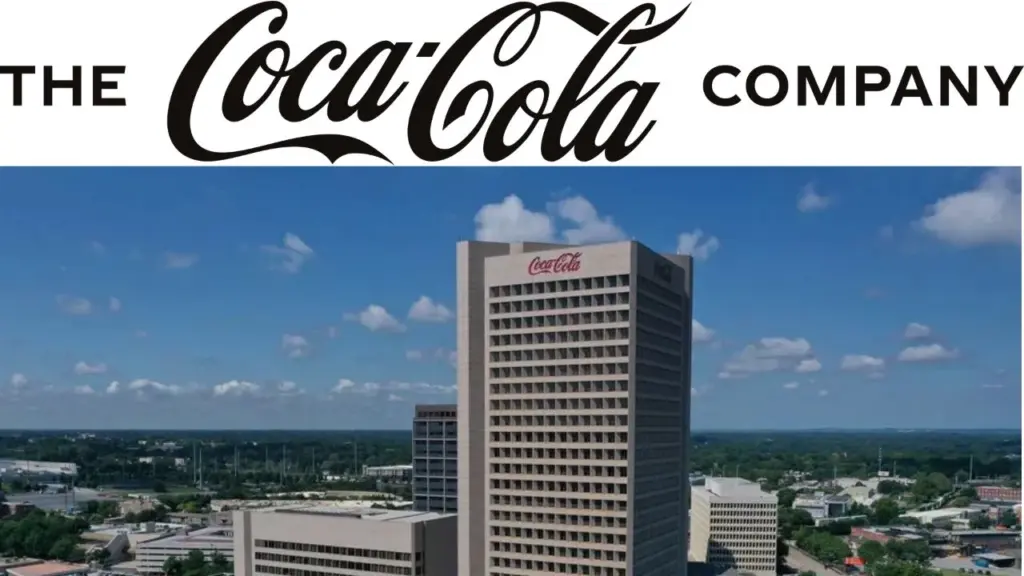
The Coca-Cola Company holds approximately 19.35–19.5% of Monster Beverage Corporation shares — making it the single largest individual shareholder. This partnership began in 2015 when Coca-Cola invested $2.15 billion for an ownership position. The deal also included a strategic distribution agreement that leveraged Coca-Cola’s extensive global network.
Vanguard Group and BlackRock are leading institutional stakeholders, managing large equity positions on behalf of clients including pension funds and mutual funds. Public shareholders own the remaining portion of shares available through regular stock trading on NASDAQ.
Ownership and Key Stakeholders Details
| Shareholder / Party | Type | Stake | Key Detail |
|---|---|---|---|
| The Coca-Cola Company | Largest Strategic Shareholder | ~19.5% of MNST | $2.15B investment in 2015; also Monster’s global distribution partner |
| The Vanguard Group | Largest Institutional Investor | ~12–13% of MNST | Passive index fund giant; top institutional holder |
| BlackRock, Inc. | Institutional Investor | Significant MNST stake | World’s largest asset manager |
| Geode Capital Management | Institutional Investor | ~1.75% of MNST | Sub-advisor for Fidelity index funds |
| FMR LLC (Fidelity) | Institutional Investor | ~1.69% of MNST | Holds over 16 million shares |
| Janus Henderson | Institutional Investor | Significant MNST stake | Key holding in U.S. equity funds |
| Hilton Schlosberg | CEO & Co-Founder | Significant insider stake | Sole CEO since June 2025; co-acquired company in 1992 |
| Rodney Sacks | Chairman & Co-Founder | Significant insider stake | Co-acquired company in 1992; Chairman of the Board; retiring December 2026 |
| Public / Retail Shareholders | Individual Investors | Remaining shares | Anyone can buy MNST on NASDAQ |
The Origin Story: From Hansen Natural to Monster Dominance
The story of Monster Energy does not begin in 2002 when the famous black can launched. It begins much earlier — in 1935, with a small juice company called Hansen Natural Corporation.
The story begins in 1935 when Hansen Natural Corporation first established itself as a beverage company focused on juices and sodas. For decades, Hansen operated as a relatively modest player in the traditional beverage market, catering to health-conscious consumers seeking natural alternatives.
The transformation came in 1992, when two South African entrepreneurs spotted an opportunity that nobody else had seen quite the same way.
Rodney Sacks and Hilton Schlosberg, South African entrepreneurs, acquired the company in 1992 for $14.6 million and continue to serve as its leaders more than three decades later.
That $14.6 million investment turned into a company worth tens of billions of dollars. It is one of the greatest returns on investment in the history of the American beverage industry.
Everything changed in 2002 when Monster Energy burst onto the scene. This launch marked a dramatic shift in the company’s direction — from natural juices to a bold, aggressive energy drink that would come to define a generation.
The company originally operated under the name Hansen Natural Corporation before making a strategic rebrand to Monster Beverage in 2012. This transformation occurred after Monster Energy’s explosive popularity established the energy drink as the company’s flagship product.
The Coca-Cola Deal: The Partnership That Changed Everything
The single most important ownership event in Monster’s modern history happened in 2015 — and it was not a hostile takeover or a merger. It was a strategic partnership that gave Monster the global muscle it needed to compete anywhere in the world.
This partnership began in 2014 when Coca-Cola invested $2.15 billion for a 16.7% ownership position. The deal also included a strategic distribution agreement that leveraged Coca-Cola’s extensive global network. Over time, Coca-Cola’s ownership percentage has fluctuated slightly due to various corporate actions and share repurchases.
This ownership structure provides Monster with financial stability while preserving operational independence. The Coca-Cola partnership offers distribution muscle without compromising Monster’s creative control or product development autonomy.
The deal was, in essence, a perfect marriage of assets. Monster had the brand heat, the product innovation, and the cultural credibility in action sports, gaming, and music. Coca-Cola had the trucks, the warehouses, the retail relationships, and the reach into 190+ countries. Together, they built something neither could have achieved alone.
Who Runs Monster Energy in 2026?
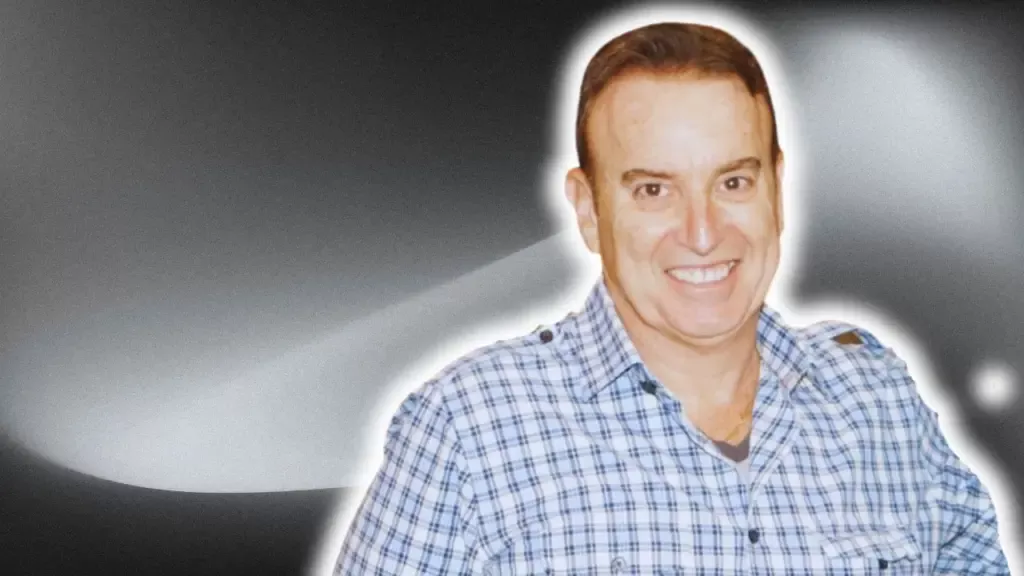
Monster Beverage Corporation underwent a significant leadership transition in 2025 that reshaped how the company is led at the very top.
Hilton Schlosberg, born in South Africa in the early 1950s, co-founded Monster Beverage Corporation alongside Rodney Sacks. He held a 23-year tenure as Chief Financial Officer (CFO), became Co-CEO in 2021, and transitioned to sole CEO in 2025. Rodney Sacks, also a South African native, served as CEO from 1990 until 2021, then as co-CEO until June 12, 2025. Post-transition, Sacks continues to serve as Chairman of the Board, focusing on strategic initiatives, marketing, innovation, and litigation until his planned retirement as an employee on December 31, 2026.
Under Schlosberg’s sole leadership, Monster delivered its strongest results in years. Hilton H. Schlosberg, Chief Executive Officer, stated: “We delivered a strong close to the year in both our domestic and international markets, with record 2025 fourth quarter net sales increasing 17.6 percent and crossing the $2.0 billion threshold for the first time in the Company’s history for a fiscal fourth quarter.”
How Big Is Monster Energy in 2026?
The numbers behind Monster Beverage in 2026 tell the story of a company that has gone from a niche energy drink brand to a genuine global powerhouse.
As of February 2026, Monster Beverage’s trailing twelve-month revenue is approximately $7.97 billion. That makes it one of the most valuable beverage companies in the world — behind only the giants like Coca-Cola, PepsiCo, and Nestlé.
Monster surpassed the $2.0 billion quarterly net sales mark for the first time ever in both Q2 and Q4 2025 — a milestone that signals the brand’s growing dominance in global markets. International sales outside the United States now account for approximately 42% of total net sales, led by strong performance in the EMEA region.
The company also holds a market capitalization that has ranged between $25 billion and $55 billion over the past several years, reflecting both its consistent profitability and the growth premium that investors place on the energy drink category.
Related Ownership Profiles
For one of the fastest-growing challengers in the energy drink space, see who owns Alani Nu.
Is Monster Energy the Same as Red Bull?
This is one of the most common questions consumers ask — and the answer is a firm no.
Monster Energy and Red Bull are fierce competitors, but they are completely separate companies with very different ownership structures. Red Bull GmbH is privately owned by the Austrian Mateschitz family and Thailand’s Chaleo Yoovidhya family. It has never been publicly traded and has no outside institutional investors.
Monster Beverage Corporation, by contrast, is publicly traded on NASDAQ with thousands of shareholders, a Coca-Cola distribution partnership, and full transparency through quarterly earnings reports to the SEC.
Frequently Asked Questions (FAQs)
Q1. Who owns Monster Energy in 2026?
Monster Energy is owned by Monster Beverage Corporation (NASDAQ: MNST), a publicly traded company with The Coca-Cola Company as its largest shareholder at ~19.5%.
Q2. Does Coca-Cola own Monster Energy?
Coca-Cola is the largest shareholder with ~19.5% stake but does not control the company — Monster Beverage remains independently managed.
Q3. Who founded Monster Beverage Corporation?
Rodney Sacks and Hilton Schlosberg, two South African entrepreneurs, acquired the company in 1992 for $14.6 million and built it into a global empire.
Q4. Who is the CEO of Monster Energy in 2026?
Hilton Schlosberg is the sole CEO of Monster Beverage Corporation, a role he has held since June 2025 after Rodney Sacks transitioned to Chairman.
Q5. Is Monster Energy publicly traded?
Yes. Monster Beverage Corporation trades on NASDAQ under the ticker symbol MNST.
Q6. How much revenue does Monster Energy generate?
As of February 2026, Monster Beverage’s trailing twelve-month revenue is approximately $7.97 billion.
Q7. When was Monster Energy launched? Monster Energy was launched in 2002 by Hansen Natural Corporation, which later rebranded to Monster Beverage Corporation in 2012.
Q8. Is Monster Energy the same company as Red Bull?
No. Monster is publicly traded (NASDAQ: MNST), while Red Bull is a privately held Austrian company — they are two completely separate competitors.
Monster Energy is owned by Monster Beverage Corporation (NASDAQ: MNST) — a publicly traded company based in Corona, California. The largest single shareholder is The Coca-Cola Company with approximately 19.5%, followed by institutional giants Vanguard Group and BlackRock.
The company was co-founded by Rodney Sacks and Hilton Schlosberg, who bought it in 1992 for just $14.6 million. Today, Hilton Schlosberg serves as sole CEO while Rodney Sacks chairs the board ahead of his planned retirement in December 2026. With trailing twelve-month revenue of nearly $8 billion and record quarterly sales crossing $2 billion for the first time in 2025, Monster Energy is one of the most successful beverage brands in the world.
Related Reading
See also our profile of fellow energy drink giant Red Bull.