For nearly 40 years, QVC was the channel you stumbled upon at 2 AM and somehow ended up buying a kitchen gadget you did not know you needed. It was America’s living room salesman — charming, relentless, and surprisingly effective. But yesterday, on April 16, 2026, the parent company that owns QVC filed for Chapter 11 bankruptcy, sending shockwaves through the retail world and raising urgent questions about the future of televised shopping.
So who owns QVC? The answer starts with a man who once built a company selling commemorative coins, runs through one of the most powerful media billionaires in American history, and ends with a bankruptcy filing in a Texas federal court that could reshape everything.
What Is QVC?
QVC — short for “Quality, Value, and Convenience” — is an American free-to-air television network and flagship shopping channel specializing in televised home shopping, owned by QVC Group. Founded in 1986 by Joseph Segel in West Chester, Pennsylvania, QVC broadcasts to more than 350 million households in seven countries, including channels in the UK, Germany, Japan, and Italy, along with a joint venture in China with China National Radio called CNR Mall. In 2024, total revenue for the year was $10 billion.
Who Owns QVC Right Now in 2026?
QVC Group — which owns the popular QVC and Home Shopping Network groups of television channels and websites — filed for Chapter 11 bankruptcy protection as it restructures, but said it has enough liquidity to pay its bills and has no layoffs or furloughs planned.
QVC Group is part of cable mogul John Malone’s media empire, with the billionaire buying the brand for $7.9 billion in 2003, and subsequently folding in Home Shopping Network in 2017.
QVC Group (formerly Qurate Retail, Inc.) is an American media conglomerate controlled by company chairman John C. Malone, who owns a majority of the voting shares.
So the clear answer: QVC is owned by QVC Group, which is controlled by billionaire John C. Malone through his majority voting stake. And as of April 16, 2026, that parent company is navigating Chapter 11 bankruptcy in an effort to survive the digital age.
Ownership and Key Stakeholders Details
| Owner / Party | Role | Stake / Detail | Key Detail |
|---|---|---|---|
| QVC Group, Inc. | Direct Parent Company | 100% owner of QVC brand | Formerly Qurate Retail Group; filed Chapter 11 on April 16, 2026 |
| John C. Malone | Controlling Shareholder & Chairman | Majority of voting shares | Cable billionaire; bought QVC for $7.9B in 2003 via Liberty Media |
| Liberty Media / Liberty Interactive | Corporate Predecessor | Held QVC since 2003 | Evolved into Qurate Retail Group, then QVC Group |
| Joseph Segel | Founder (Historical) | No current stake | Founded QVC on June 13, 1986 in West Chester, Pennsylvania |
| Comcast / Ralph Roberts | Early Investor (Historical) | No current stake | Key early backer; cable deals gave QVC its national distribution |
| Barry Diller | Former Chairman (Historical) | No current stake | Led QVC from 1993; built it into a national powerhouse |
| HSN (Home Shopping Network) | Sister Brand | Owned by QVC Group | Merged into QVC Group in 2017 in a $2.1B all-stock deal |
| David Rawlinson | CEO | Executive role | Current CEO leading QVC through bankruptcy restructuring |
The Origin Story: A Coin Collector’s Big Idea
QVC was created in 1986 by Joe Segel, who had founded The Franklin Mint, a company known for selling commemorative items such as coins, plates, and other collectibles. Segel launched the channel as an alternative to the Home Shopping Network.
QVC was founded on June 13, 1986, by Joseph Segel and investors including Ralph Roberts, the founder and chairperson of Comcast. Roberts was able to arrange deals in which cable companies received investment stakes in QVC in exchange for carrying the channel. That arrangement was brilliant — it gave QVC instant national cable distribution while also aligning the financial interests of every cable operator with the channel’s success.
The channel was launched on November 24, 1986, with program hosts Kathy Levine, John Eastman, Ellen Langas, Bob Bowersox, and Cindy Briggs-Moore. The corporation set a new record for first full-year fiscal sales for a new public company of $112 million — a remarkable achievement for a concept that most of the business world dismissed as a novelty.
How John Malone Came to Control QVC
The path from Joseph Segel’s founding vision to John Malone’s control is a story of corporate dealmaking that spans three decades.
After Segel, Barry Diller — the legendary Hollywood executive — took over as chairman in 1993 and built QVC into a genuine cultural force. He left in 1995 after a high-profile failed attempt to acquire Paramount Communications through QVC.
The mid-1990s saw TCI and Comcast take over, followed by Liberty Media’s dominance after 2003.
Key milestones include Barry Diller’s initial investment and subsequent acquisitions by Comcast and TCI, eventually leading to Liberty Media Corporation’s controlling stake. As of February 2025, Qurate Retail, Inc. (QRTEA) exhibits a diverse ownership landscape.
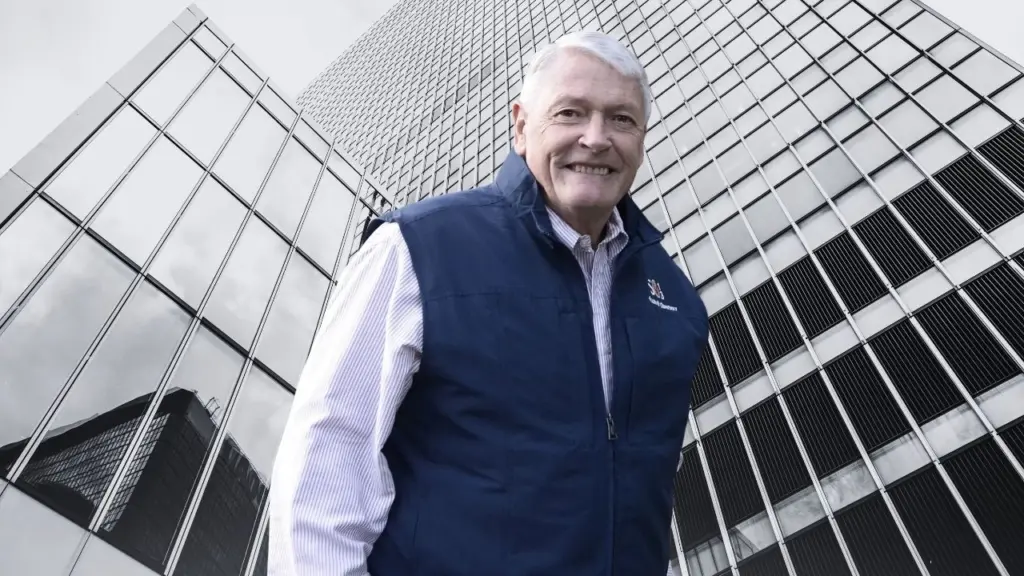
John C. Malone — one of the most powerful figures in American media history, the man sometimes called the “Cable Cowboy” — acquired QVC through Liberty Media for $7.9 billion in 2003. From that point forward, Malone has been the controlling force behind QVC’s strategic direction, even as the company went through multiple name changes and corporate reorganizations.
In 2018, Liberty Interactive rebranded itself as Qurate Retail Group. The company then rebranded again to QVC Group in February 2025 — its current name at the time of the bankruptcy filing.
The 2017 HSN Merger: Doubling Down on TV Shopping
One of the defining moments of QVC’s recent history was its 2017 acquisition of its oldest rival.
On July 6, 2017, QVC’s parent company, Liberty Interactive, announced its intention to purchase the remaining 62% of stock it did not already own of HSN, the rival home shopping channel. The all-stock deal is valued at $2.1 billion ($40.36 a share).
The merger made strategic sense on paper — combining the two biggest names in televised home shopping to create one dominant platform. But it also loaded QVC Group with significant debt, and the combined entity still faced the same fundamental problem that neither merger nor rebranding could solve: the rise of the internet, social media, and a new generation of shoppers who had never watched cable TV.
The Bankruptcy: What Happened and Why
QVC Group is entering into a restructuring agreement with the holders of its $6.6 billion of debt amid declining revenue in the last several years because of increased competition from social media and internet shopping sites.
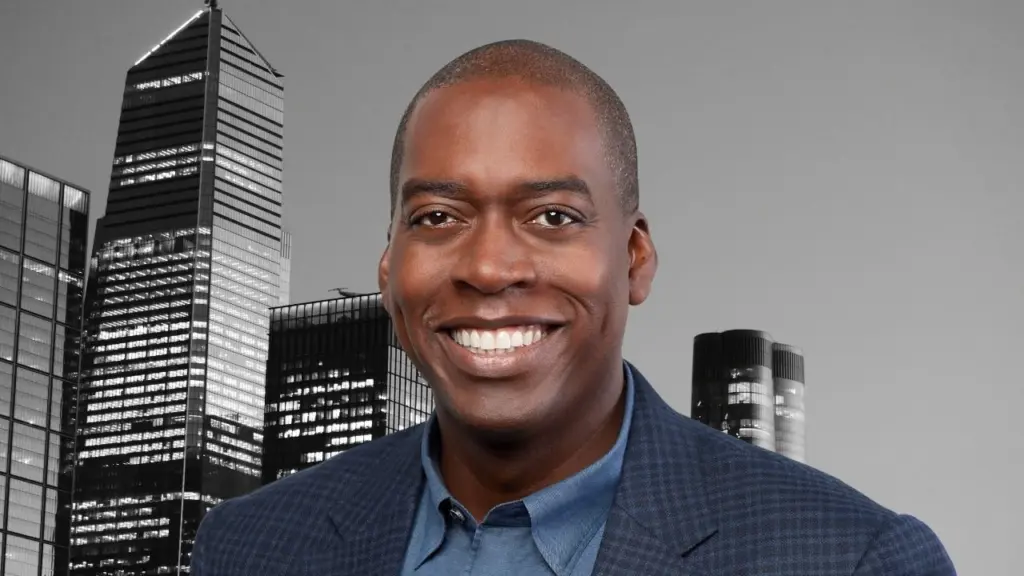
Smartphones, social media, and streaming have flipped the company’s foundational business model on its head, leadership admitted. CEO David Rawlinson said the company has already been working to stand out in the social media marketplace, touting its ventures into TikTok Shop. QVC leadership claimed it had acquired 1 million new U.S. customers through TikTok in 2025. Streaming ventures, QVC+ and HSN+, have also made the company money, citing a 19% growth in streaming viewership in 2025.
QVC Group has commenced Chapter 11 proceedings in the U.S. Bankruptcy Court for the Southern District of Texas. The company filed paperwork for a restructuring support agreement with the holders representing a “significant majority” of the company’s outstanding funded debt.
The plan is ambitious but clear: The Chapter 11 filing vowed reorganization as QVC hoped to lower the company’s debts from $6.6 billion to $1.3 billion. Leadership said they would not get rid of their flagship cable TV shopping channels and had enough money not to need to lay off any employees.
The company said it had entered a Restructuring Support Agreement with holders representing a significant majority of its funded debt and expects to emerge as Reorganized QVC, Inc. within about 90 days.
Related Ownership Profiles
QVC’s parent company also owns its longtime rival — see who owns HSN.
Does QVC Still Operate During Bankruptcy?
Yes — and this is an important point for customers, vendors, and employees.
The company said in a press release that all of its brands — QVC, HSN, and Cornerstone Brands — continue to operate “as usual,” as QVC said it has “ample liquidity” to handle paying vendors, suppliers, and other non-secured creditors for all goods and services.
Chapter 11 bankruptcy is a reorganization, not a liquidation. The stores stay open, the TV channels keep broadcasting, the websites keep selling, and the employees keep their jobs. The court process is designed to give the company time to restructure its debt and emerge as a leaner, financially healthier version of itself.
Frequently Asked Questions (FAQs)
Q1. Who owns QVC in 2026?
QVC is owned by QVC Group, an American media conglomerate controlled by billionaire John C. Malone who holds majority voting power.
Q2. Did QVC file for bankruptcy?
Yes. QVC Group filed for Chapter 11 bankruptcy on April 16, 2026 in a Texas federal court to restructure over $5 billion in long-term debt.
Q3. Is QVC still operating after the bankruptcy filing?
Yes. All QVC and HSN channels, websites, and brands continue operating as normal — Chapter 11 is a reorganization, not a shutdown.
Q4. Who founded QVC and when?
Joseph Segel founded QVC on June 13, 1986 in West Chester, Pennsylvania, with early investment from Comcast founder Ralph Roberts.
Q5. What does QVC stand for?
QVC stands for “Quality, Value, and Convenience” — the three core promises the channel made to shoppers when it launched in 1986.
Q6. When did John Malone buy QVC?
John Malone acquired QVC through Liberty Media for $7.9 billion in 2003, giving him controlling ownership over the brand.
Q7. Does QVC own HSN?
Yes. QVC merged with Home Shopping Network (HSN) in 2017 in a $2.1 billion all-stock deal, making both brands part of QVC Group.
Q8. How much debt does QVC Group have?
QVC Group entered bankruptcy with $6.6 billion in debt and plans to reduce that to approximately $1.3 billion through the Chapter 11 restructuring process.
QVC is owned by QVC Group — an American media conglomerate controlled by billionaire John C. Malone, who holds a majority of the voting shares. QVC was founded on June 13, 1986, by Joseph Segel in West Chester, Pennsylvania, and grew from a cable channel with $112 million in first-year sales to a global shopping platform generating $10 billion in annual revenue across 350 million households in seven countries.
The company’s current parent, QVC Group, filed for Chapter 11 bankruptcy on April 16, 2026, aiming to slash its debt from $6.6 billion to $1.3 billion within 90 days while keeping all channels, websites, and brands fully operational. TikTok, Amazon, Shein, and Temu have all chipped away at the TV shopping model that QVC pioneered — but the company is betting that a leaner balance sheet and aggressive push into streaming and social commerce will give it a second life.