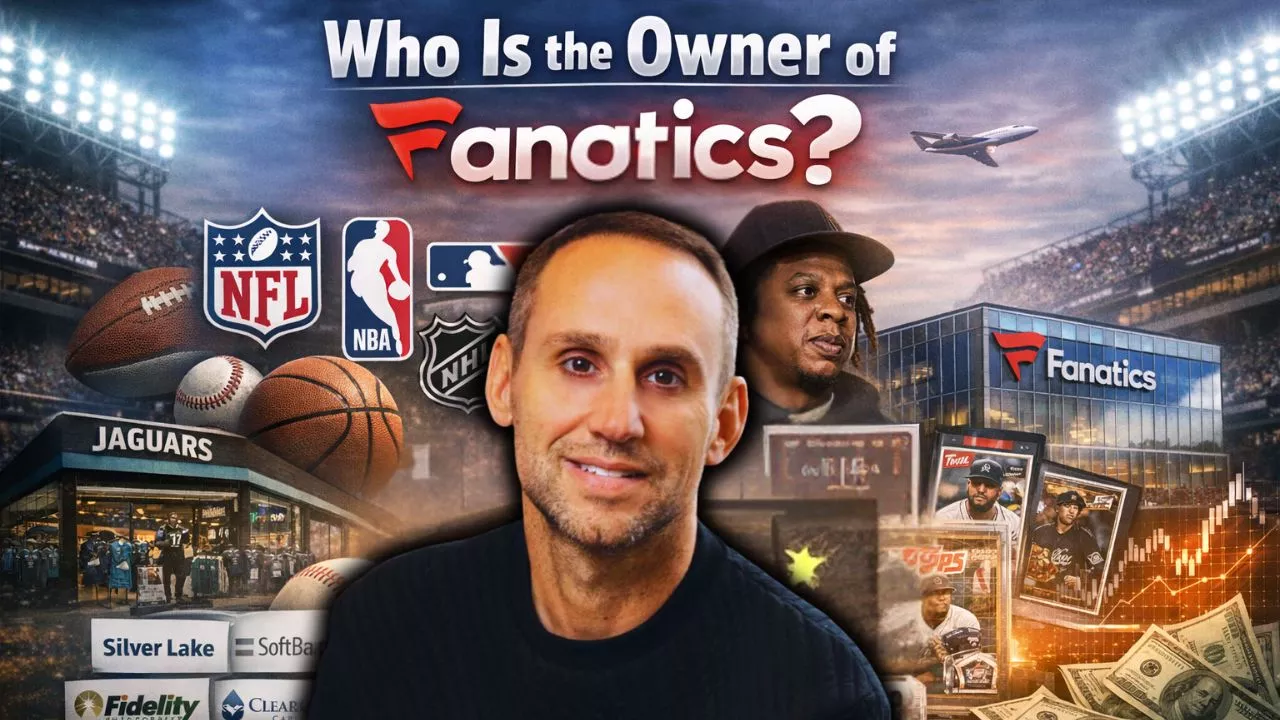
If you have ever bought a jersey online, chances are you have already done business with Fanatics — even if you did not realize it at the time. It is the company quietly powering the online stores of the NFL, the NBA, the MLB, and dozens of other leagues around the world. But who actually owns this sports giant? The answer starts with two brothers in a Florida mall, runs through one of the smartest entrepreneurs in American business history, and now involves some of the biggest investment firms on the planet.
Here is the full story, from the very beginning to right now in 2026.
What Is Fanatics?
Fanatics is a global sports platform that is reimagining the fan experience across several of the most important categories in sports, including fan gear, collectibles and trading cards, sports betting and prediction markets, content and media, and more. With 22,000+ employees, 80 offices globally, and approximately $13 billion expected in revenue in 2026, Fanatics is currently one of the most valuable sports companies in the world.
In plain terms, it is the company that makes sure you can buy your favorite team’s jersey the night they win the championship — and have it shipped to your door within days. That kind of speed and scale did not happen by accident. It took nearly three decades of smart moves, bold bets, and the right people at the right time.
Who Founded Fanatics? The Trager Brothers Story
Most people associate Fanatics entirely with its current CEO, Michael Rubin. But the real origin story starts earlier — and it starts with two brothers who just wanted to sell Jacksonville Jaguars gear.
Football Fanatics, which later became Fanatics, Inc., was founded by brothers Alan and Mitchell Trager in Jacksonville, Florida. They initially started with a brick-and-mortar store in Orange Park Mall in 1995, focusing on local team merchandise, particularly Jacksonville Jaguars apparel.
The store opened in 1995 as the Jacksonville Jaguars began their first season. The business was very strong right out of the box. Because of the early success and popularity of the team, the store sold a lot of Jaguars merchandise and opened a second store in The Avenues Mall in 1997.
The Trager brothers had spotted something real — fans were desperate for good, officially licensed gear, and nobody was making it easy to find. What started as a single mall store grew into an e-commerce operation, and eventually, a business that caught the eye of much bigger players.
A pivotal moment in the Fanatics founding story occurred in 2011. Michael Rubin, a seasoned entrepreneur known for selling GSI Commerce to eBay for $2.4 billion, reacquired the sports e-commerce segment, which included Fanatics, for $277 million.
Who Is the Current Owner of Fanatics?
The answer to this question is clear and straightforward: Fanatics is owned and controlled by Michael Rubin.
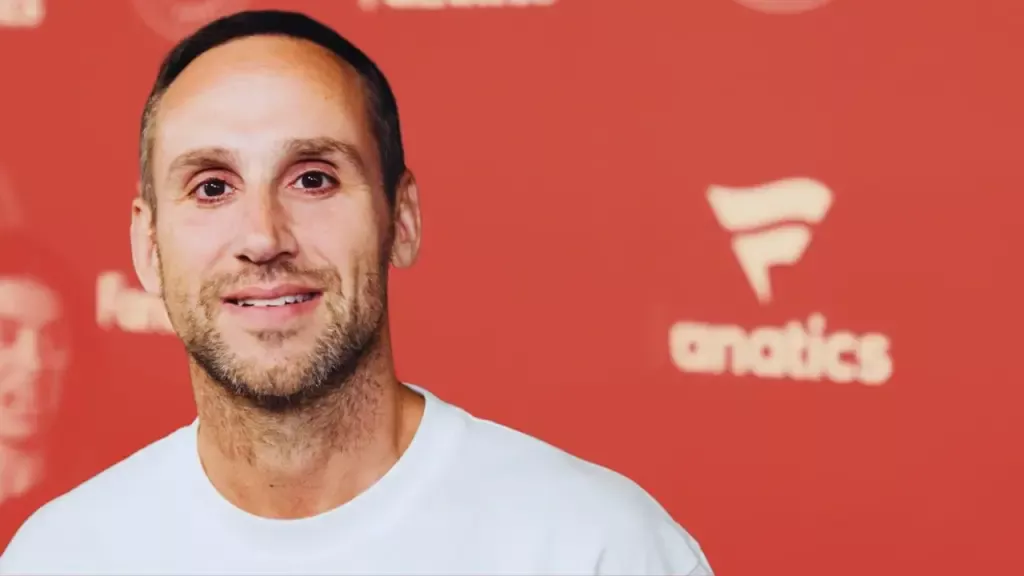
Fanatics is a privately held global sports platform founded and controlled by Michael Rubin, who is also the company’s largest shareholder. As of 2026, Michael Rubin owns approximately 32% of Fanatics, giving him effective control over the company.
Michael Rubin holds majority voting rights, despite owning around 30% of the equity. This arrangement allows for swift strategic decisions and aggressive expansion.
That distinction matters a lot. In many big companies, the person with the most shares does not always call the shots — voting rights are what really count. Rubin has both. He owns the biggest piece of the pie, and he controls the most votes. That makes him the undisputed boss of everything Fanatics does.
Michael Gary Rubin (born July 21, 1972) is an American businessman. He is the Founder and CEO of Fanatics, a global digital sports platform that consists of several businesses, including licensed sports merchandise, trading cards and collectibles, sports betting and iGaming, special events, and live commerce.
As of early 2026, Michael Rubin’s net worth is estimated at $25 billion. The majority of his wealth is tied to his equity stake in Fanatics, along with proceeds from earlier ventures and private investments.
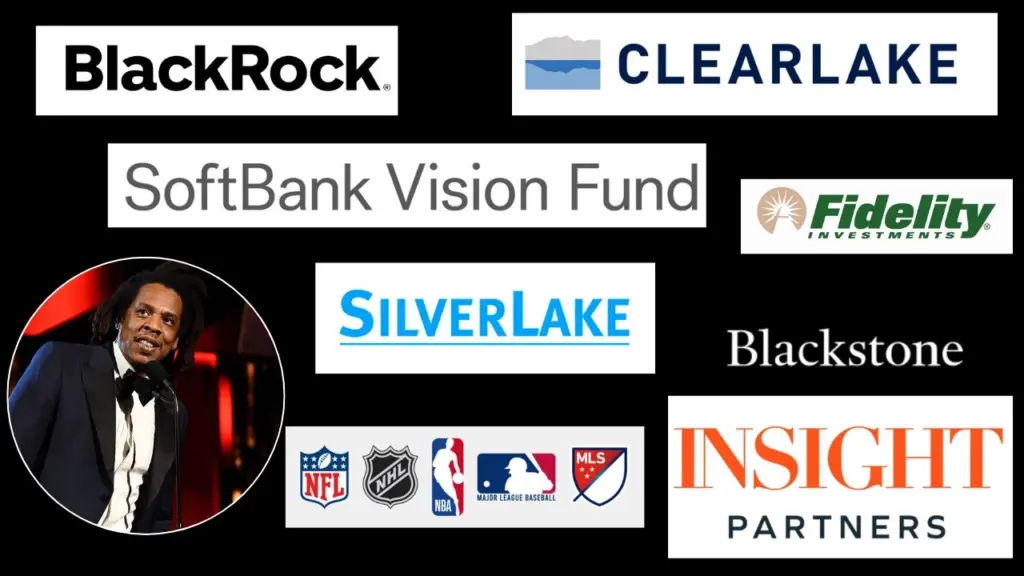
Ownership and Key Stakeholders Table
| Shareholder / Owner | Type | Estimated Stake | Key Detail |
|---|---|---|---|
| Michael Rubin | Founder, CEO & Largest Shareholder | ~32% equity, majority voting rights | Controls strategic direction; net worth ~$25 billion as of 2026 |
| Silver Lake Partners | Private Equity Firm | Undisclosed | Invested since 2015; holds board representation |
| SoftBank Vision Fund | Venture / Investment Fund | Undisclosed | Major investor since 2017; led $1 billion round |
| Fidelity Management & Research | Institutional Investor | Undisclosed | Participated in multiple funding rounds including 2022 |
| Clearlake Capital Group | Private Equity Firm | Undisclosed | Led the $700 million round in December 2022 |
| Blackstone Group | Private Equity Firm | Undisclosed | Invested in 2021 Series D round |
| NFL, NBA, MLB, NHL, MLS | Sports Leagues | Minority stakes | Equity holders in Fanatics Commerce division |
| Jay-Z / Roc Nation | Celebrity & Strategic Investor | Undisclosed | Invested in 2021; focuses on athlete and culture branding |
| BlackRock | Institutional Investor | Undisclosed | Invested in December 2021 Series E round |
| Insight Partners | Venture Capital | Undisclosed | One of the earliest VC backers since 2012 |
How Michael Rubin Built the Fanatics Empire
Michael Rubin did not walk into a boardroom and buy a finished company. He built his empire piece by piece, starting from a very young age.
Before Fanatics, Rubin founded GSI Commerce, an e-commerce services company that he grew into a major force and eventually sold to eBay for $2.4 billion in 2011. That sale gave him both the capital and the credibility to go after his real passion — sports.
After the eBay deal closed, Rubin bought back the sports e-commerce division — which included Fanatics — and made it the centerpiece of his next chapter. From 2011 onward, the growth was relentless.
In 2015, Fanatics raised $300 million from Silver Lake Partners. In early 2016, the company acquired UK-based internet retailer Kitbag to accelerate focus around international expansion and global soccer. In April 2017, Fanatics bought sportswear and merchandise manufacturer and MLB uniform provider Majestic Athletic from VF Corporation in an effort to add to the company’s growing vertical manufacturing capabilities.
In September 2017, Fanatics closed a $1 billion round of fundraising led by SoftBank, with participation from the NFL, MLB, NHL, MLS, and NFLPA.
That last part is especially important. The major sports leagues themselves became investors in Fanatics. That is not just a financial relationship — it is a strategic lock that gives Fanatics a level of access to official merchandise rights that no competitor can easily replicate.
Fanatics was last valued at $31 billion in December 2022 following a $700 million funding round. In 2024, an employee share sale program and the company’s latest investment round valued the company at $25 billion, representing a 19% discount from its peak valuation. With 2024 revenue of $8.1 billion, Fanatics’ current valuation represents approximately 3.1x its annual revenue.
The Sports Leagues as Owners — A Unique Structure
One of the most fascinating and unusual things about Fanatics’ ownership is that the sports leagues themselves have skin in the game.
Major sports leagues such as the NFL, MLB, NBA, NHL, and MLS hold minority ownership in Fanatics Commerce, a model that Michael Rubin applied across the company’s various new ventures.
Think about what that means. The same organizations that grant Fanatics the rights to make and sell official merchandise are also shareholders in the company that profits from those rights. It is a deeply intertwined relationship that makes it nearly impossible for any rival to break in and compete for those licensing deals. The leagues have a financial reason to keep Fanatics strong.
Jay-Z, Roc Nation, and the Celebrity Connection
Fanatics has also attracted some of the most recognizable names in entertainment as investors.
Other prior Fanatics investors include Roc Nation, rapper Jay-Z, who also owns Paper Planes, and Todd Boehly’s Eldridge Capital. Many of the major leagues and players’ unions are also equity holders in Fanatics Commerce.
Jay-Z invested in Fanatics through its collectibles business as a strategic partner. He participated as part of a major funding round and also entered a strategic partnership through Roc Nation, focusing on athlete relationships and cultural branding rather than financial control.
Jay-Z’s involvement is not just about money — it is about the cultural bridge between sports, music, and fan identity. Rubin has long understood that sports fandom is as much about culture as it is about merchandise, and bringing in Roc Nation reinforces that vision.
Related Ownership Profiles
For another modern sports business built around star power, see who owns TGL.
Fanatics Today: What the Business Looks Like in 2026
Fanatics in 2026 is not just a place to buy a jersey. It has expanded into multiple distinct business lines, each growing rapidly.
The collectibles business has been particularly successful, with Topps’ revenue quadrupling since its acquisition — from $368 million in 2020 to $1.6 billion in 2024. Rubin stated in April 2025 that collectibles revenue is on track to top $2 billion in 2025 and approach $3 billion in 2026.
In January 2026, Fanatics launched Fanatics Studios, an entertainment and content-production division focused on producing sports-related films, documentaries, and digital media projects in partnership with major broadcasters and sports organizations.
And when it comes to going public, Rubin is in no rush. CEO Michael Rubin reiterated in June 2025 that Fanatics is in “absolutely no rush” to go public. With revenue growing fast, a loyal investor base, and full strategic control already in hand, there is no pressure to hand over the reins to Wall Street anytime soon.
Final Thoughts
Fanatics started as two brothers selling Jacksonville Jaguars hats out of a Florida mall in 1995. Today, it is a $25 billion sports empire that touches nearly every corner of the sports world — from the jersey on your back to the trading card in your collection to the sports bet on your phone.
The man behind all of it is Michael Rubin — founder, CEO, and the single largest shareholder with approximately 32% equity and majority voting rights. Beside him stand some of the biggest investment firms in the world: Silver Lake, SoftBank, Fidelity, Clearlake Capital, and Blackstone, plus the sports leagues themselves and cultural icons like Jay-Z.
Fanatics remains a private company for now. But with the kind of growth it is showing, whenever it does decide to go public, it will be one of the most watched IPOs in sports business history.
Frequently Asked Questions (FAQs)
Q1. Who is the owner of Fanatics in 2026?
Michael Rubin is the founder, CEO, and largest individual owner of Fanatics. He holds approximately 32% of the company’s equity and also controls the majority of voting rights, which gives him the final say on all major business decisions. Fanatics also has large institutional shareholders including Silver Lake, SoftBank, Fidelity, and Clearlake Capital, but none of them match Rubin’s level of control.
Q2. Is Fanatics a publicly traded company?
No. Fanatics is a privately held company, which means its shares are not available for regular investors to buy on the stock market. There have been reports over the years about a possible IPO, but CEO Michael Rubin confirmed as recently as June 2025 that the company is in no rush to go public. Until that changes, ownership stays in the hands of Rubin, institutional investors, and the sports leagues who hold minority stakes.
Q3. Who originally founded Fanatics?
Fanatics was originally founded as Football Fanatics by brothers Alan and Mitchell Trager in Jacksonville, Florida in 1995. They started with a single store in the Orange Park Mall, selling merchandise for the newly launched Jacksonville Jaguars. The Trager brothers sold the company in 2011, and Michael Rubin took over, transforming it into the global sports platform it is today.
Q4. How much is Fanatics worth in 2026?
Fanatics was valued at $31 billion at its peak in December 2022 after raising $700 million in a funding round led by Clearlake Capital. A 2024 employee share sale placed the valuation closer to $25 billion. With 2024 revenue of $8.1 billion and collectibles alone expected to generate close to $3 billion by 2026, the company’s true worth continues to grow even if the paper valuation has pulled back slightly from its peak.
Q5. Do the NFL, NBA, and other sports leagues own a piece of Fanatics?
Yes, they do. The NFL, NBA, MLB, NHL, and MLS all hold minority equity stakes in Fanatics Commerce, the merchandise division of Fanatics. This is one of the things that makes Fanatics so unique in the sports business world. The leagues are not just licensing partners — they are actual co-owners of the company selling their official gear. That gives Fanatics a massive competitive advantage that is almost impossible for rivals to replicate.