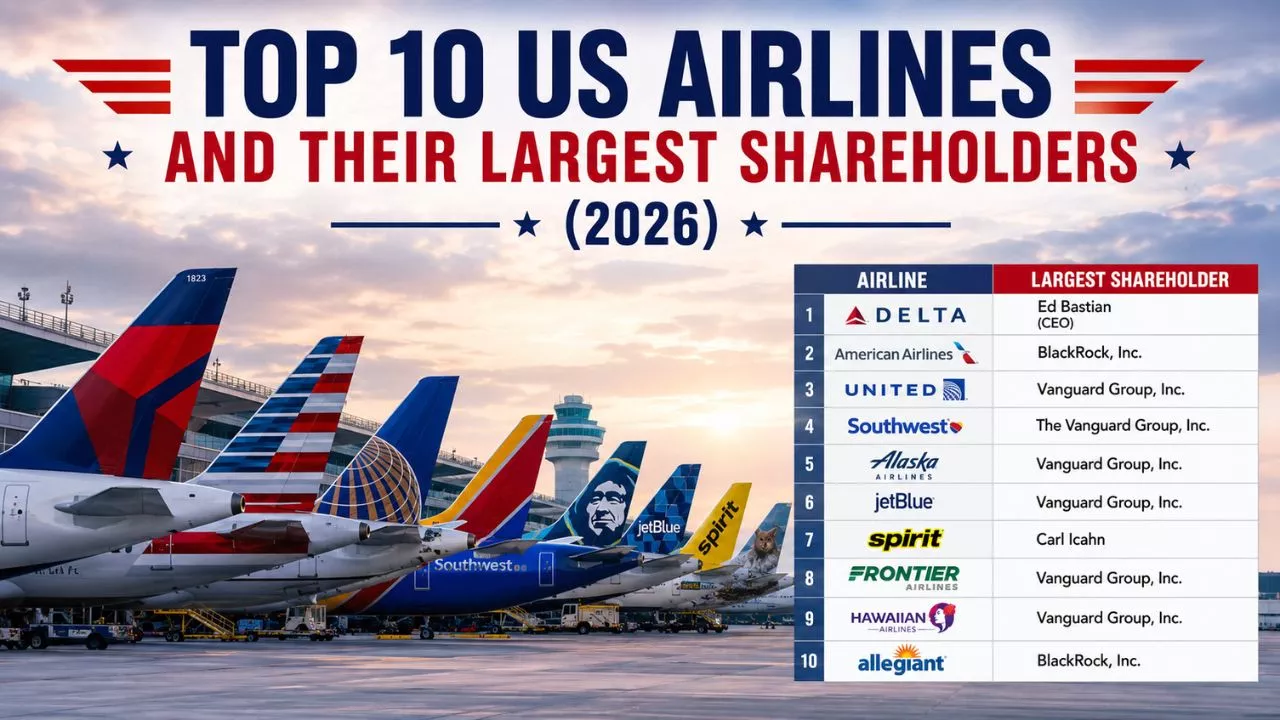
The US airline industry has consolidated dramatically since 2008 — a string of mergers (Delta-Northwest, United-Continental, American-US Airways, Southwest-AirTran, Alaska-Virgin America, JetBlue-Spirit attempt, Alaska-Hawaiian) has left only four legacy carriers plus a handful of low-cost operators with national presence. Ownership has consolidated too: passive index investors (Vanguard, BlackRock, State Street) now own roughly a quarter of every major US carrier. Here’s the airline-ownership map as of 2026.
How we built this list
Ranking is by 2025 revenue per each airline’s most recent 10-K filing. Shareholder data is from the latest DEF 14A. Warren Buffett’s 1989 quip about wanting a ‘time machine’ to undo investments in airlines is famous, but Berkshire Hathaway held substantial positions in all four legacy airlines from 2016 until 2020, when it sold all of them during the pandemic — making airline holdings a useful historical case study.
The Top 10
1. Delta Air Lines — Vanguard ~9%, BlackRock ~7%, State Street ~5%
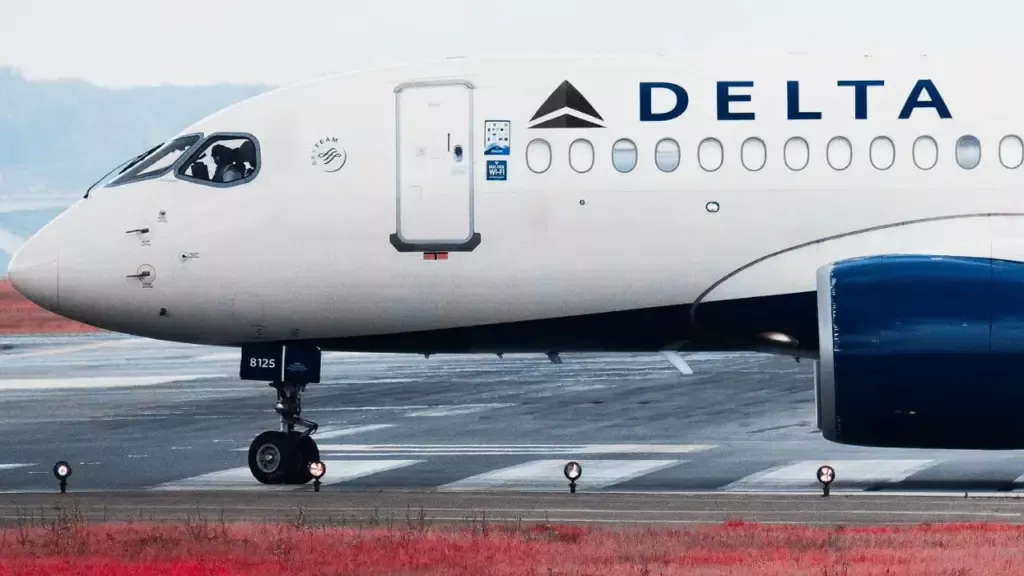
Delta (NYSE: DAL) is the largest US airline by revenue (~$60B in 2025). Ed Bastian has been CEO since 2016. The shareholder base is dominated by passive institutional investors. Notable historical position: Berkshire Hathaway held approximately 11% of Delta from 2016 until April 2020, when Buffett sold the entire stake during the pandemic.
2. United Airlines — Vanguard ~9.5%, BlackRock ~7.8%, PRIMECAP ~6%
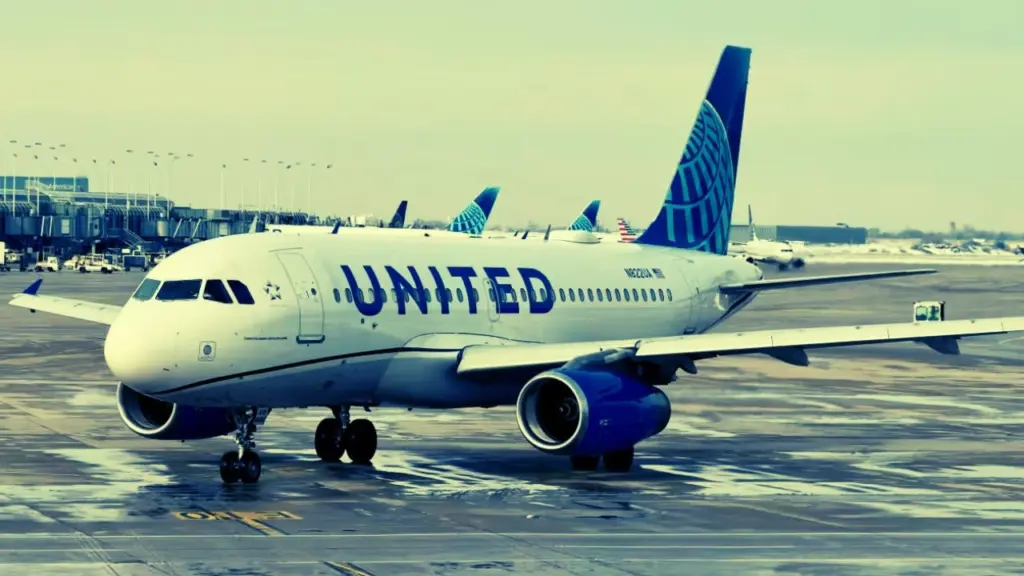
United (NASDAQ: UAL) is the second-largest US airline by revenue. Scott Kirby has been CEO since 2020. PRIMECAP Management is the largest active shareholder. Other major holders are PAR Capital Management and standard passive institutionals.
3. American Airlines — Vanguard ~7.5%, BlackRock ~6.5%, T. Rowe Price
American (NASDAQ: AAL) is the largest US airline by passenger count. Robert Isom became CEO in March 2022, succeeding Doug Parker. AAL went through Chapter 11 in 2011 and merged with US Airways in 2013. Standard passive-institutional ownership. AAL has the highest debt load among the legacy carriers.
4. Southwest Airlines — Vanguard ~10%, BlackRock ~7%, Elliott Management
Southwest (NYSE: LUV) is the largest US low-cost carrier. Elliott Management’s activist campaign in 2024 led to a significant board shake-up and the eventual departure of CEO Bob Jordan. Elliott now holds a board seat. Rakesh Gangwal (former IndiGo founder) joined the Southwest board in 2024 as part of the Elliott settlement.
5. Alaska Airlines Group — Vanguard ~10%, BlackRock ~8%, PAR Capital
Alaska Air Group (NYSE: ALK) completed its acquisition of Hawaiian Airlines in 2024 for $1.9 billion. CEO Ben Minicucci has led the combined company since the merger closed. The Hawaiian Airlines brand has been retained under a multi-brand strategy similar to Alaska’s earlier Virgin America acquisition.
6. JetBlue Airways — Vanguard ~10%, BlackRock ~9%, Carl Icahn
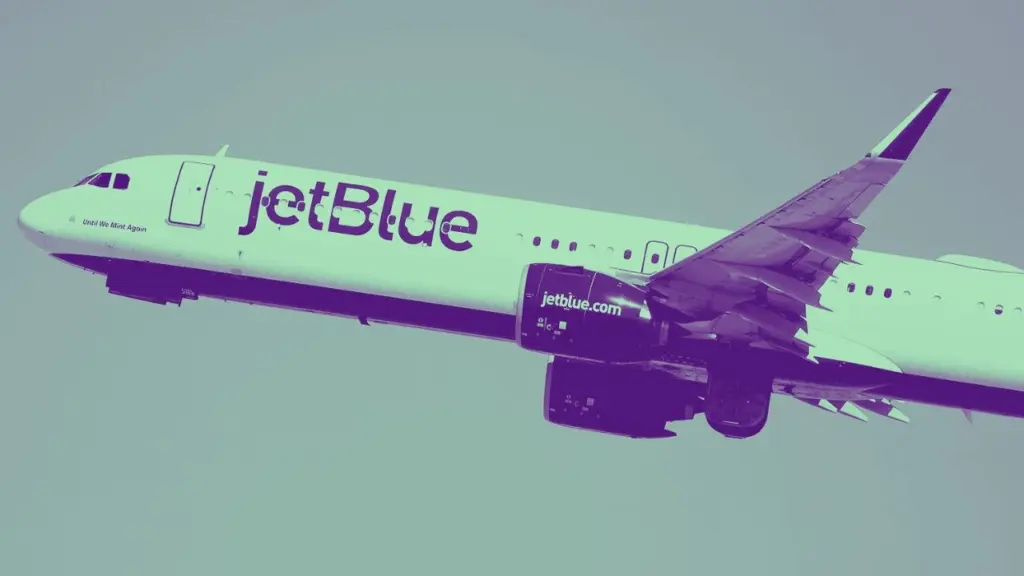
JetBlue (NASDAQ: JBLU) is led by CEO Joanna Geraghty since 2024 (the first woman to lead a major US airline). Activist investor Carl Icahn took a meaningful stake in 2024 and pushed for strategic changes after JetBlue’s attempted acquisition of Spirit Airlines was blocked by a federal court.
7. Spirit Airlines — Bankruptcy (2024), creditors
Spirit Airlines (NYSE: SAVE) filed for Chapter 11 bankruptcy in November 2024 after the JetBlue acquisition was blocked and the company’s debt load became unsustainable. As of May 2026, Spirit is operating under bankruptcy protection with senior creditors and bondholders in control of restructuring.
8. Hawaiian Airlines — Acquired by Alaska (2024)
Hawaiian Airlines was acquired by Alaska Air Group in September 2024 for $1.9 billion. The brand operates as a subsidiary of Alaska Air Group with its own management team led by Joe Sprague. Hawaiian’s pre-acquisition shareholders received cash; the company is no longer separately listed.
9. Frontier Airlines — Indigo Partners (William Franke) majority
Frontier (NASDAQ: ULCC) is majority-controlled by Indigo Partners, the private-equity firm founded by William Franke. Frontier was take-private by Indigo in 2013 and re-IPO’d in 2021. CEO Barry Biffle has led the company since 2016. Frontier attempted to merge with Spirit in 2022; that deal was outbid by JetBlue.
10. Allegiant Travel — Public, broad institutional ownership
Allegiant Travel Company (NASDAQ: ALGT) is the parent of Allegiant Air. Maurice Gallagher is executive chairman and the largest individual shareholder at approximately 4–5%. The company specializes in leisure routes to underserved destinations and has been the most profitable US airline on a per-revenue basis for several years running.
At-a-glance comparison
| Rank | Airline | Largest Holder | Notes |
|---|---|---|---|
| 1 | Delta | Vanguard ~9% | Largest by revenue |
| 2 | United | Vanguard ~9.5% | PRIMECAP active |
| 3 | American | Vanguard ~7.5% | Most passengers |
| 4 | Southwest | Vanguard + Elliott activist | Board shake-up 2024 |
| 5 | Alaska Air Group | Vanguard ~10% | Acquired Hawaiian 2024 |
| 6 | JetBlue | Vanguard + Icahn activist | Spirit deal blocked |
| 7 | Hawaiian | Now Alaska subsidiary | Acquired 2024 |
| 8 | Spirit | Bankruptcy creditors | Chapter 11 Nov 2024 |
| 9 | Frontier | Indigo Partners (Franke) | PE-controlled |
| 10 | Allegiant Travel | Gallagher ~5% | Leisure-focused |
My take
The single biggest airline-industry trend of 2024–25 is that the activist-investor era arrived. Elliott Management at Southwest, Carl Icahn at JetBlue, and the protracted bankruptcy of Spirit all signal that the post-COVID ‘recovery trade’ is over and the next phase is operational restructuring. The legacy carriers (Delta, United, American) look stable, but the discount/ultra-low-cost segment is going through generational change. Whoever emerges from Spirit’s bankruptcy with its slot rights, plus an eventual Frontier-led consolidation play, could reset the market.
Frequently Asked Questions
Who owns Delta Air Lines?
Delta (NYSE: DAL) is publicly traded with no dominant shareholder. The largest holders are passive institutional investors: Vanguard at approximately 9%, BlackRock at about 7%, and State Street at roughly 5%. Berkshire Hathaway held approximately 11% from 2016 to 2020 but Warren Buffett sold the entire position during the pandemic.
Did Alaska Airlines buy Hawaiian?
Yes. Alaska Air Group completed its acquisition of Hawaiian Airlines in September 2024 for $1.9 billion after receiving Department of Justice clearance. Hawaiian operates as a subsidiary of Alaska Air Group with its own management team led by Joe Sprague.
Why did Spirit Airlines go bankrupt?
Spirit Airlines filed for Chapter 11 bankruptcy in November 2024. The proximate cause was that JetBlue’s attempted $3.8 billion acquisition was blocked by a federal court in January 2024 on antitrust grounds. With no merger backstop and significant pandemic-era debt, Spirit’s cash flow could not service its obligations.
Who owns Frontier Airlines?
Frontier Airlines is publicly traded (NASDAQ: ULCC) but majority-controlled by Indigo Partners, the private-equity firm founded by William Franke. Indigo took Frontier private in 2013 and led the 2021 IPO, retaining a controlling stake. Barry Biffle has been CEO since 2016.
Did Warren Buffett ever own airline stocks?
Yes. Despite famously calling airlines a ‘value trap,’ Berkshire Hathaway took significant positions in Delta, United, American, and Southwest starting in 2016. Buffett sold the entire airline portfolio during the COVID-19 pandemic in April 2020. He has not re-entered the sector as of 2026.
Related Reading
See also our profile of IndiGo Airlines, one of the world’s largest carriers by passenger volume.